Food swamps cover large parts of the Dallas area. In fact, almost 700,000 Dallas County residents—including more than 245,000 children—live in low-income communities with limited supermarket access, according to a Dallas Morning News report.
Food Swamps & Latinos
We already know that food deserts and food swamps are making low-income Latinos obese. A food desert is an area more than 2 miles or 15 minutes away from a grocery store. A food swamp includes a food desert and a high-density of stores and restaurants that offer high-calories fast food and junk food, relative to healthier food options. It can be hard for Latina mothers to navigate food swamps. For Dallas’ Latino and black populations in areas like Pleasant Grove, Oak Cliff, and East Dallas, food ...
Latino and black children are more likely to die of numerous childhood cancers than their white counterparts, NPR reports on a new study in the journal Cancer. Latinos also are more likely to receive a cancer diagnoses in later, less curable cancer stages. Socioeconomic status plays an enormous role in childhood cancer survival as well. Latino and black children are more likely to live in areas of poverty, which subjects them to persistent racism and institutional bias. "We know that there are some economic differences that are closely tied to race and ethnicity," Rebecca Kehm, lead author of the study, told NPR. "I wanted to show that there are other factors at play than the genetic component."
The Study: Social Class & Disparities
Cancer is the leading cause of death ...
Late onset diabetes may be a sign of pancreatic cancer in Latinos and African-Americans, according to a new study. The study, published in the Journal of the National Cancer Institute, linked recent-onset diabetes with a 2.3-fold greater increase in risk of pancreatic cancer than long-standing diabetes. Latinos have higher risk of developing type 2 diabetes and pancreatic cancer than their peers.
Study Results & Implications
Pancreatic cancer is one of the most fatal cancers. It has a five-year survival rate of only 8%. This is because eight in 10 pancreatic cancer patients get diagnosed at a late stage. Most diabetes patients with pancreatic cancer are diagnosed with diabetes less than three years before the cancer diagnosis. Among pancreatic cancer patients undergoing ...
Lengthy drives to hospitals to give birth are becoming more common, The New York Times reports. 85 rural hospitals have shut down since 2010, which is about 5% of the country’s total. Maternal and obstetric care has been hit the hardest due to many factors including the cost of providing round-the-clock delivery services against declining birthrates as well as doctor and nursing shortages and falling revenues. Fewer than half of America’s rural counties still have a hospital that offers obstetric care, specifically labor and delivery wards. Specialists are heading to lucrative settings in bigger cities. Many reproductive healthcare services have been forced to close their doors in rural towns. This causes many tough issues for women and families. Pregnant women go to fewer ...
Parents and teachers, back-to-school bells are ringing. Have you taken steps to protect the ears and hearing of your children and students? Noise-induced hearing loss—sounds of packed hallways and cafeterias, band practices and concerts, and sporting events—can permanently damage hearing. Thankfully, the National Institute on Deafness and Other Communication Disorders has an awesome bilingual campaign: El mundo es ruidoso. Proteja la audición de sus hijos. (It’s a Noisy Planet. Protect Their Hearing.). The campaign helps parents and teachers promote healthy hearing habits: Noisy Planet’s Teacher Toolkit. This toolkit helps teachers instruct preteens about the causes and prevention of noise-induced hearing loss. It provides easy-to-use resources and step-by-step ...
Denver's lack of affordable housing is reaching crisis level. Teachers, police officers, and health care workers were getting "priced out of a city with a glut of quality housing, something many U.S. communities experience today," Next City reports. A group of finance and equity specialists, deal-makers, and policy folks wanted to help. They created a first-of-its-kind initiative called LIVE Denver (Lower Income Voucher Equity). The program, with $1.2 million in city funding, will bring hundreds of 21,000 brand-new, vacant apartment units within financial reach of severely rent-burdened families. Will it help solve the affordable housing crisis in Denver and elsewhere?
Affordable Housing and Health
Access to affordable, safe housing is a priority for maintaining good ...
A culture of health is where everyone has a fair and just opportunity to be as healthy as possible. Is your community creating a Culture of Health? If so, apply for the Robert Wood Johnson Foundation (RWJF) Culture of Health Prize! The contest provides $25,000 to honor communities that bring neighborhood, school, and business partners together to improve health for all residents! In 2017, two majority-Latino communities were among eight prize winners. Chelsea, MA (62% Latino) and San Pablo, CA (55% Latino) were chosen from 200 applicants. Chelsea opened the city’s waterfront, served vulnerable populations, and engaged youth in food justice projects. San Pablo created job training programs, built a community center, and established a youth commission. “San Pablo has ...
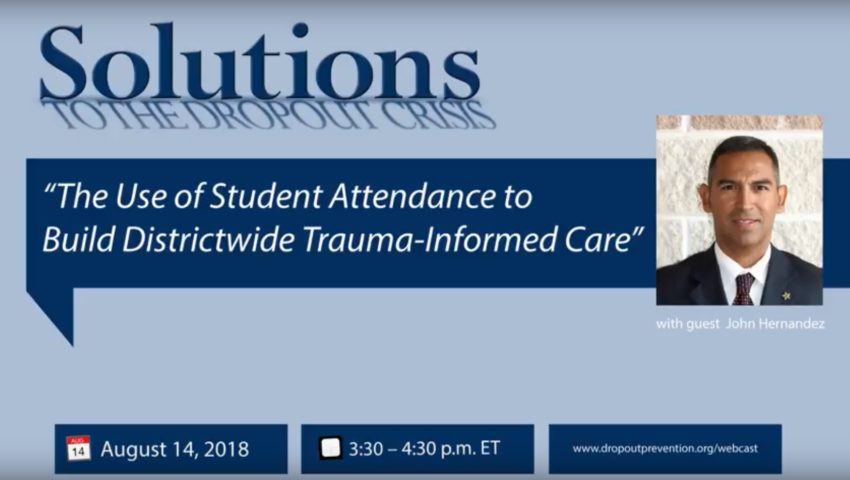
In the past decade, the National Dropout Prevention Center has aired 99 free webcasts to push for school success and dropout prevention. The 100th webcast, will feature John Hernandez, a Salud America! Salud Hero extraordinaire, on Aug. 14, 2018. Hernandez is the director of student services at East Central Independent School District (ECISD) in San Antonio, TX (68% Latino). He began to uncover that the reasons for student absenteeism went beyond Texas' at-risk indicators—a parent in jail or in hospice, loss of a loved one, immigration or deportation of family members, bullying, food insecurity, unstable housing arrangements, divorce, and many more. So Hernandez started got the support of the ECISD superintendent and started a committee to address these ...
A leading pediatricians’ group is warning families on chemicals in processed food and the use of plastic food containers, while encouraging more whole fruits and vegetables, according to The New York Times. Previous studies have shown how chemicals used in an array of fast food packaging can be dangerous to consumers. Now the American Academy of Pediatrics, which represents 67,000 of U.S. children’s doctors, have released a statement and technical report that is concerned about rising evidence "that certain chemicals that enter foods may interfere with the body’s natural hormones in ways that may affect long-term growth and development." The pediatrician’s group is asking for further rigorous testing and regulation on the countless of food additive chemicals as well as ...