For National Public Health week, the American Public Health Association is announcing the "Healthiest Cities and Counties Challenge". Partnering with the Aetna Foundation, and the National Association of Counties, in partnership with CEOs for Cities, the challenge encourages small to mid-sized cities to have multi-sector partnerships in support of positive health change for their cities. Participants who demonstrate measurable change within cross sector partnerships in the next few years and address issues like tobacco use, walkability, housing affordability, living wages and community safety, are able to be a recipient of up to $1.5 million in prizes. To learn more about entering the challenge by May 31st, 2016, click here. Copy & Share on Twitter: Join the ...
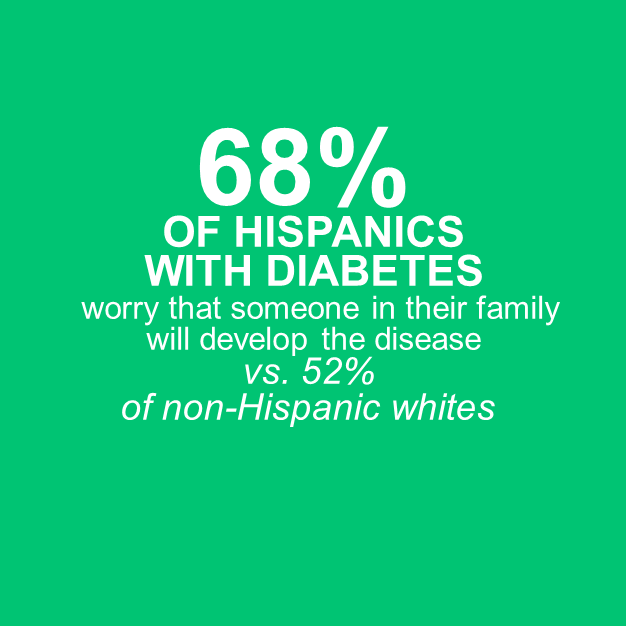
The National Alliance for Hispanic Health conducted a survey to explore challenges and opportunities for diabetic Latino and found that although diabetes rates are higher among Latinos than whites (12.8% vs 7.6% whites), 25% of Latinos with diabetes responded "no" or "don't know" when asked if their doctor or other health care provider had told them what type of diabetes they have, which is almost twice as high as for non-Latino whites. Only 12% of Latinos regularly see a healthcare provider to manage their diabetes. As far as key disease management practices, only 30% of Latinos identified being physically active and only 6% identified maintaining a healthy weight. "The survey showed us that there are specific areas within diabetes education and awareness that need to be ...
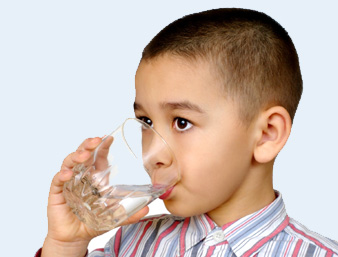
Drinking water is a vital component to staying healthy, and now a new study from JAMA Pediatrics shows how students in New York who had more restrictive beverage option at school and access to clean and cold water, also came to have healthier weights. But recent news stories have shown that not all schools water is safe. Schools need to make sure water is safe through lead tests and having safe water accessible for all students, and visitors, especially since water may help students weight, finds the new study. The study looked at more than 1 million students across New York schools after a new rule banned sodas and high sugar and calorie drinks, but replaced vending machines with new water jets. The students were given cups to use in conjunction with the water jets, and ...
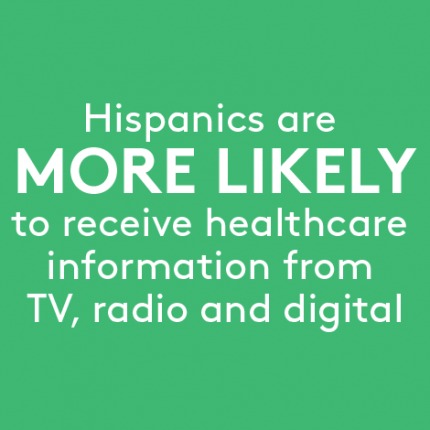
In 2015, Univision and Latinum looked into how Latinos access healthcare information and found that Latinos are listening to, trusting, and reacting to healthcare messages from many sources, and they tend to worry more about the health and wellness of their families than non-Latinos. (78% vs. 59%). Latinos trust the following healthcare information sources significantly more than non-Latinos: Doctors (66% vs. 58%)
Clinics (54% vs. 31%)
Hospitals (56% vs. 37%) Unfortunately, Latinos face more barriers to access these sources than non-Latinos. However, they are 23% more likely than non-Latinos to say that online, TV or radio healthcare messages “led me to see a doctor or medical professional about a specific drug.” In order to improve Latino health, it is important to ...
In 2012, the Centers for Disease Control and Prevention (CDC), published Cultural Insights: Communicating with Hispanics/Latinos to help you to communicate more effectively with specific cultures in order to influence their behavior. For example, Latinos have lower mortality rates than the overall population, but are at greater risk for chronic diseases, thus getting diseases is often a bigger concern than dying. The publication addresses: Targeting Health Communication
Knowing your Audience
Media Habits (i.e. magazines, newspapers, radio, television, and internet)
Priority Health Concerns
Health-Care Seeking Behaviors
Traditional Health Beliefs and Practices
Cultural Elements (i.e. material culture, social institutions, belief systems, aesthetics, and ...
A study performed by the University of Wisconsin’s Population Health Institute determined the least healthy counties in Texas. The study took into account numerous data sources regarding the health factors of populations, the ratio of dental and mental health care providers to people in the counties, socio-economic data, and unemployment data. Also taken into consideration were the typical length of life and quality of life. Based on the information, Brooks County (91% Latino population), located in the Rio Grande Valley, was deemed the least healthy county in the state. The report determined that 40% of all adults in Brooks County were of “poor health” and the obesity rate among adults was nearly 30%. The county also has an uninsured rate of 25% and 46% of the children in the ...
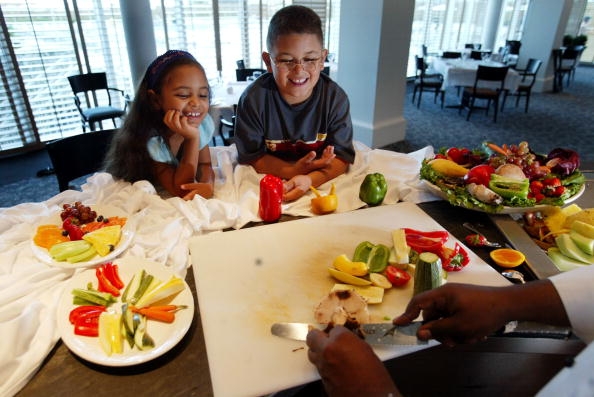
According to research conducted by Louisiana State University's Pennington Biomedical Research Center and presented April 1st, 2016, at the Society of Behavioral Medicine's Annual Meeting and Scientific Sessions, when preschoolers watch videos of other children eating vegetables, they're more likely to eat vegetables themselves. “As we work to explore easy-to-use tools to help influence children’s attitudes toward healthy eating and to make it more fun and exciting, this study lays the foundation for interventions that we may be able to translate into home or school settings in the future,” said Amanda Staiano, PhD, lead author on the study and assistant professor of research in Pennington Biomedical’s Pediatric Obesity and Health Behavior Laboratory. Read the Society of ...
Large differences in adults' physical activity levels may be attributed the features in the urban environment, like street intersections, public transit stops, number of parks, and residential density, according an international study done by researchers at UC San Diego published in the Lancet in April 2016. The purpose of the study was to explore how features in urban neighborhoods are related to physical activity levels. The authors of this study conclude that changing the built environment is a promising solution to improve physical activity levels, thus health. This will require cross-sector collaboration with non-traditional health partners, like urban planning, transportation, and parks. Access the full study here. Copy and Share: Changing city design is ...
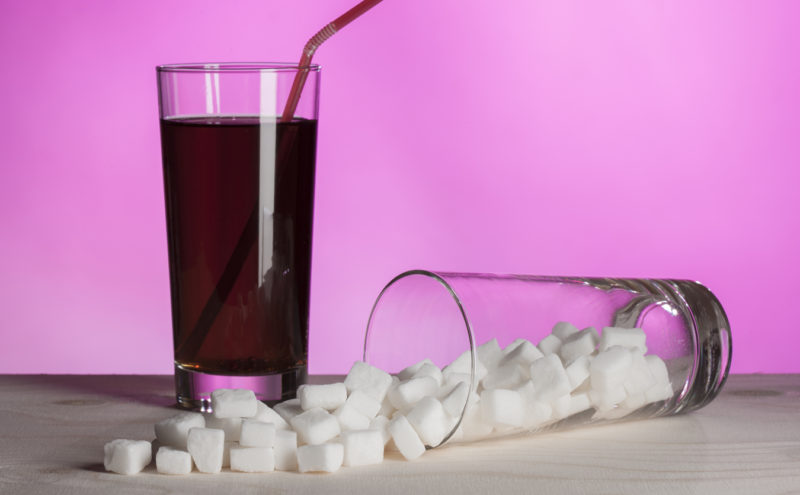
What's not getting taxed, or may be taxed less in Britain? Britain has a new and different way of taxing sugary sweetened beverages using a three tier level of tax, looking more at the sugar content of a beverage and wanting to help people to switch at least to less sugary options for health reasons. Not all drinks will be taxed the same, but will be taxed per ounce as in Berkley, Cali. Drinks with more sugar, like soda will be taxed at higher prices, whereas slightly sweetened teas will be taxed less and no taxes will be put on flavored waters, according to a recent article. The new taxes are set to start in 2018, giving companies and vendors time to reform products and think about sugar content. Hungary also has a tier system, working within two levels of taxing, and ...