Patients with early signs of Alzheimer’s disease, a condition that can affect Latinos and all people, often have trouble remembering recent experiences. However, a new study by MIT indicates that Alzheimer’s disease doesn’t destroy memories; instead “they just can’t be easily accessed,” Univision reports. For the study, researchers stimulated specific areas of the brain of lab rats with blue light and found that they were able to access memories they previously couldn’t remember. “The important point is, this a proof of concept," said Susumu Tonegawa, lead study author. "That is, even if a memory seems to be gone, it is still there. It’s a matter of how to retrieve it.” According to the authors, the results of their study show that there’s hope for a cure ...
According to the Centers for Disease Control and Prevention (CDC), more than one-third of all adults in the United States. As part of National Nutrition Month, the financial site WalletHub analyzed the 100 most populated U.S. metro areas to determine the ones with the most weight-related health problems. The “holistic” approach included overweight and obesity into its findings and examined 14 key metrics, including “percentage of physically inactive adults,” and “percentage of adults eating fewer than one serving of fruits and vegetables per day,” to determine their findings. According to the research findings, the “fattest” metro area in America is Memphis, TN (6.54% Latino population), while the “thinnest” was Honolulu, HI (5.89% Latino). The city with the ...
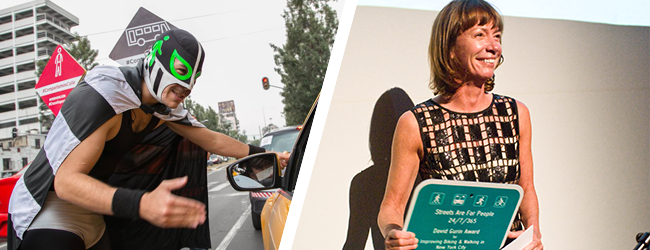
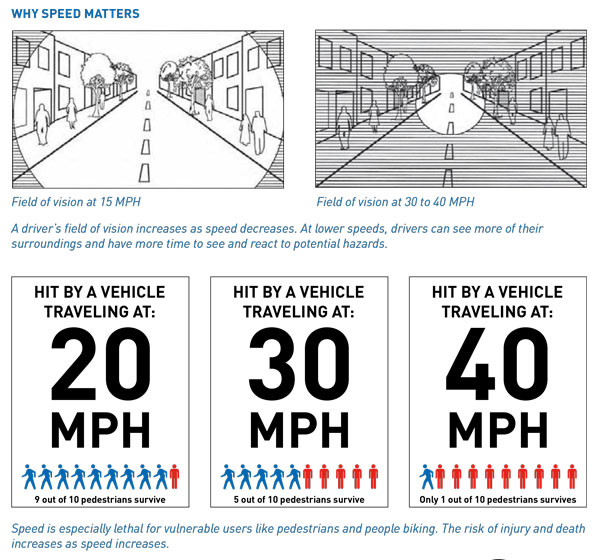
In March 2016, Transportation Alternatives and Families for Safe Streets held the second annual Vision Zero Cities Conference, in New York City, NY (28.6% Latino) for traffic safety experts, advocates, bereaved families, elected officials and the public to exchange ideas and discuss how to implement and enforce best practices to prevent road deaths and serious injuries. Former New York City Transportation Commissioner, Janette Sadik-Kahn believes that when you change the streets, you change the world. Not only are road deaths and serious injuries a public health issue, but unsafe streets are a major hurdle for people trying to be physically active, stay healthy, or to get to work. Thus, traffic safety is a public health issue. When people don't feel safe to walk or bike near ...
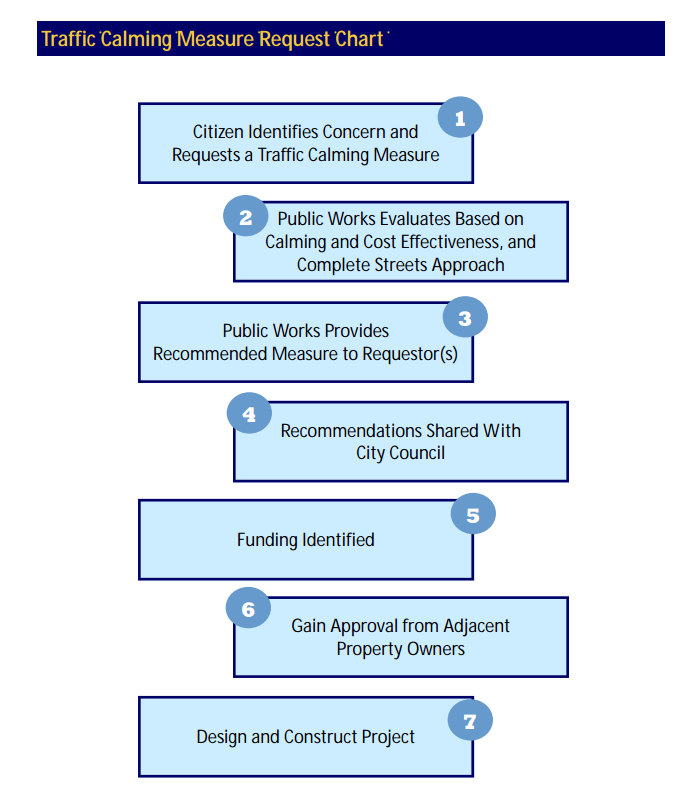
Are you concerned about speeding cars in your neighborhood? Residents in San Antonio can request traffic calming measures, like speed humps, speed enforcement, signage, pavement markings and medians using the Traffic Calming Handbook. Developed by the City of San Antonio Department of Public Works, the Traffic Calming Handbook aims to improve street features to reduce the negative effect of speeding and cut through traffic. The Handbook is also available in Spanish. Improving street features to improve safety is critical to promote walking, physical activity, and overall health and wellbeing. This Handbook outlines the process a resident must go through to request a traffic calming measure. It begins by filling out a 2-page form. The first page requires information about ...
Studies have shown that mascots, cartoons, and familiar faces often influence children's choices on food and unfortunately usually unhealthy foods. Marketing companies have targeted kids in various ways over the years, bringing in familiar cartoon characters or brand mascots into the commercials of high fat and high sugar food products, influencing food choices. Many companies have moved away from unhealthy food marketing to children and have joined the Children's Food and Beverage Advertising Initiative (CFBAI), which commits companies to only market healthy products to children younger than 12. However, recent research from Healthy Eating Research shows that there are still opportunities for food and beverage companies to ensure healthier foods and beverages are the only ...
Easter Sunday is just a few days away! If you’re like many families then you will most likely have a barbacoa in the park and spend quality time with los abuelos, tios y primos. Unfortunately, vegetables and carnitas are not the only foods we eat on Easter Sunday—especially our children. A regular chocolate bunny packs a whopping 20g of sugar! Many children in the U.S. are obese/overweight (which contributes to cancer) and binging on candy on Easter Sunday will not make them any healthier. Here are 3 ideas on how your children can have a blast on Easter Sunday and stay healthy:
1 Toys instead of candy.
Do something different this year. Instead of giving your children and sobrinos candy in their Easter baskets give them small toys!
2. Tasty fruits.
Give tasty fruits ...
We’re excited to announce that two organizations, Salud America! and The San Antonio Report (formerly the Rivard Report), are partnering to highlight challenges and solutions to health and obesity. The Rivard Report is a non-profit online news source in San Antonio that tackles city issues and spotlights innovative solutions. Salud America! is a national health communication program. For the partnership, Salud America! will make monthly article contributions to The Rivard Report on new ways to address the rising epidemic of obesity plaguing San Antonio. San Antonio is a historic, culturally rich, and diverse (63.2% Latino) city. But it also is currently ranked 8th in the nation for obesity. Obesity leads to numerous challenges that the city must face, such as increased ...
The Vision Zero Network conducted a case study to identify the key elements that distinguish Vision Zero from traditional approaches to traffic safety. What makes Vision Zero an innovative road safety policy with the potential to make our streets safe? Reframing traffic deaths as preventable
Focusing on system failure
Reducing the impact of collisions
Adopting a Safe System approach
Data-driven decision-making
Road safety as a community issue The U.S. often lags behind other countries in traffic safety. Read the case study ...
A new study from the University of Iowa is researching if obesity rates are affected in communities where restaurants label calorie counts on menus. Since 2011, the study has collected calorie-labeled menus from various restaurants where local ordinances require restaurants to publish calorie counts. Researchers have revealed that early evidence from the study suggest that the body mass index (BMI) has fallen over time in areas with required menu labeling, compared to nearby counties. However, David Frisvold, the main researcher and assistant professor of economics at the Tippie College of Business, said in an article that most of the early studies on local menu-labeling laws have evaluated items ordered at large chain restaurants and shows no to little changes in diner's ordering ...