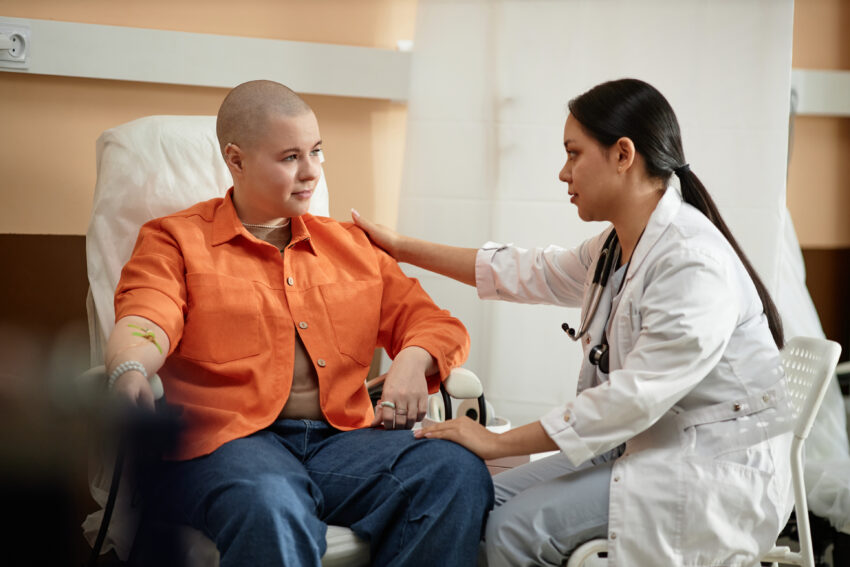
Norovirus, also known as the stomach bug, is surging across the United States. Outbreaks of the virus spiked from 69 to 91 the week of December 5, 2024, according to data from the U.S. Centers for Disease Control and Prevention (CDC). This is a significant rise considering the same reporting period over the last several years showed 65 or less outbreaks per week. However, there are a growing number of cases that haven't been reported, adding to the potential for spreading the virus. With outbreaks and cases on the rise, there are several things you should know about the norovirus surge and measures you can take to protect yourself and loved ones from getting sick.
1. Norovirus is a Foodborne Illness
While norovirus is classified as a “stomach bug” or ...
Tis the season for coughing, sneezing, itchy eyes, and sore throats. That’s right, it’s winter. The time when illnesses and viruses, from influenza (flu) to COVID-19 to respiratory syncytial virus (RSV), run rampant. When left unchecked, these viruses can cause serious adverse health effects, especially for immune compromised individuals, children, the elderly, and expectant mothers. Luckily, there are vaccinations that can significantly reduce risks for these illnesses. The best way to protect yourself and loved ones against these threats is to stay updated on recommended vaccinations, such as COVID-19 and the flu. Salud America! is partnering with CVEEP to get the word out about the importance of staying vaccinated during the winter ...
More than 2 million people in the United States are expected to be diagnosed with cancer this year. No two among them will experience cancer exactly the same way. Even so, certain groups of people will share similar cancer experiences. Latinos face higher rates of cervical, liver, and stomach cancers. Black women with ovarian cancer don’t live as long as White women with the disease. People living in rural areas are less likely to get regular cancer screenings than those who live in cities. And people who live in areas where poverty has been the norm for decades are more likely to die of cancer than those living in more affluent areas. These patterns of worse outcomes among specific groups of people are called cancer differences. Although biological differences can contribute to ...
Every year an unprecedented number of pregnant women in the US suffer mental hardships. The American Academy of Medicine (AAMC) estimates that 1 in 5 women endure a mental health or substance use disorder during a pregnancy and up to a year after birth. In fact, mental health conditions are one of the leading causes of pregnancy-related deaths, according to the Centers for Disease Control and Prevention (CDC). What’s more, 80% of these deaths are preventable. That’s why the U.S. Department of Health and Human Services (HHS) created the National Maternal Mental Health Hotline. Let’s dive into the hotline, how it helps Latinas and all mothers, and what HHS is doing to get the word out about it.
What is the National Maternal Mental Health ...
Stomach cancer is a fairly uncommon type of cancer.
Yet, every year, 26,000 new cases of stomach cancer are diagnosed in the US, causing the deaths of 11,000 people (42.3%), according to Debbie’s Dream Foundation, a national organization for stomach cancer awareness and fundraising.
For National Stomach Cancer Awareness Month in November, Debbie’s Dream is hosting a Zumbathon fundraiser in San Antonio among other events nationally. Zumbathon Fundraiser
Get ready to sweat for a good cause! The new San Antonio Spurs basketball training facility is about to be decked out in periwinkle for a very special Zumbathon fundraiser.
The fundraiser is set for The Rock at La Cantera, located at 1 Spurs Way in San Antonio, on Saturday, Nov. 16 from 11 a.m. to 1 p.m. CT. Check in for the ...
Climate change threatens communities by worsening air quality and increasing chronic disease risk and intensifying deadly storms, droughts, and heat waves. Certain communities – low-income neighborhoods and overlooked people – often suffer most because they suffer from health gaps, are more exposed to climate risks, and have a lower ability to prepare, adapt, and recover from their effects. How vulnerable is your community to climate change? The new U.S. Climate Vulnerability Index (CVI), a mapping tool, uses environmental, social, economic, and infrastructure data to help you understand your community’s ability to respond and adapt to climate change. “Better understanding of the intersection of vulnerability and climate change risks is key to effectively building ...
Breast cancer survivors were less likely to meet physical activity guidelines than women without cancer, according to a recent study in Cancer Epidemiology, Biomarkers & Prevention. In addition, certain survivors, including Latinas, also had low rates of physical activity. “Low physical activity participation among breast cancer survivors may be related to various clinical, demographic, and socioeconomic characteristics,” according to the study. Let’s dive into this research and what it means for Latina breast cancer survivors.
Physical Activity and Survivorship
Setting fitness goals with physical activity is an important part of breast cancer survivorship. “Research shows that getting to and staying at a healthy weight, eating right, and being physically active ...
In a lifetime, four in 10 US adults will be diagnosed with cancer, according to WebMD. Most of these cancers will be found in the breast, prostate, lung, colon, bladder, kidney, skin, and pancreas. Meanwhile, others may receive a rare cancer diagnosis, such as cholangiocarcinoma, which is a rare form of cancer that affects the bile duct. Due to their low incidence, less is known about these rare cancers and there are fewer opportunities available to change that. To learn more about cholangiocarcinoma, the Cholangiocarcinoma Foundation is partnering with the MD Anderson Cancer Center to put on the 2024 Houston Cholangiocarcinoma Symposium: A Gathering of Knowledge, Support, and Hope on Dec. 13, 2024.
Cholangiocarcinoma Symposium
The 2024 Houston Cholangiocarcinoma Symposium ...
The National Comprehensive Cancer Network (NCCN) provides a multitude of cancer-related resources thought its NCCN Guidelines for Patients. With the guidelines, patients and others can get easy-to-understand information about prevention, screening, diagnosis, treatment, and supportive care for nearly every type of cancer. Now these resources are available in Spanish! Let’s dive deeper into these resources and how they can benefit Latinos and their loved ones with cancer.
The Importance of Spanish-Language Resources for Cancer Patients
Many Latinos experience challenges when it comes to accessing healthcare, including finding Spanish-language content. “Language [gaps] in healthcare lead to miscommunication between the medical professional and patient, decrease the ...