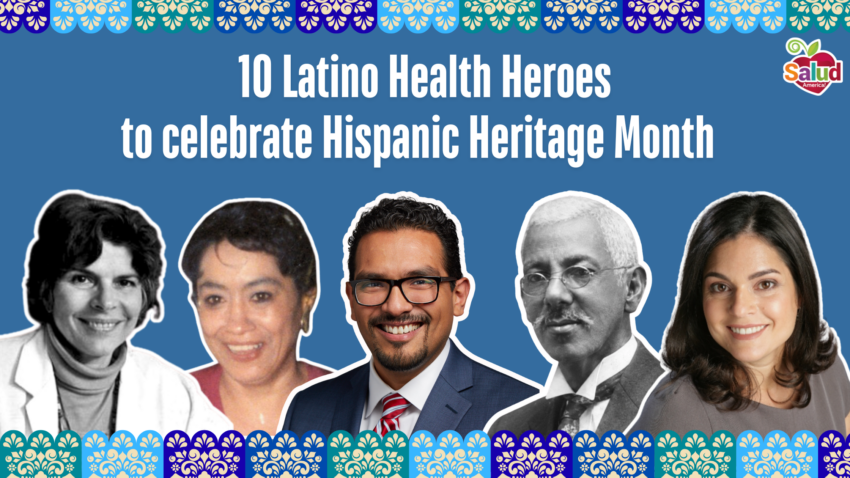
Whether it’s in hospitals and clinics, out in the community, or online, there are many Salud Heroes who have helped improve health for all the people in their communities. During Hispanic Heritage Month, Salud America! recognizes figures both throughout history and today who serve as health role models. Let’s look at 10 Salud Heroes who have championed Latino health.
1. Dr. Jose Celso Barbosa
Dr. José Celso Barbosa Alcalá, also known as José Celso Barbosa, was the first Afro-Latino to obtain a medical degree in the United States. Born in Bayamón, Puerto Rico, Barbosa valued education. He graduated in 1880 from the University of Michigan Medical School as the valedictorian of his class, becoming the first Puerto Rican to earn a medical degree in the continental ...
A lot goes into the decision to get pregnant with a baby. More than being a physical, mental, and emotional decision, it’s also become a larger financial decision that parents must weigh before starting or adding to their families. And the costs don’t stop after you bring the baby home from the hospital. Many parents are burdened by the rising costs of childcare. What’s more, the decision is also heavily influenced by access to prenatal care, postpartum support, affordable healthcare, childcare, and other community resources. A new report by WalletHub ranked the states by how expensive having a child is and health care outcomes based on access to care. Let’s break down the report’s findings, what they mean for child and maternal ...
As the U.S. population continues to age, more Latinos and all people will face memory loss because of Alzheimer’s disease and related dementias. Fortunately, every year, the U.S. Department of Health and Human Services (HHS) updates its National Plan to Address Alzheimer’s Disease to adopt new strategies to support communities impacted by Alzheimer’s and related dementias. This year, HHS is seeking direction from clinicians, researchers, caregivers, and families on what areas to focus on to address dementia through 2035. 170 people submitted a Salud America! model comment to tell HHS to help improve Alzheimer’s health outcomes for Latinos and all populations by supporting clinical trials, programs, and investments that make a ...
This content is from UT Health San Antonio’s book, “Advancing Cancer Research for Latinos and All Populations: 2026 Conference Proceedings,” which highlights results of the same-named conference in February 2026.
Advancing Environmental Change and Cancer Research Through Latinx Expertise
Dr. Leticia M. Nogueira is Director of Health Services Research at the American Cancer Society. Environmental and cancer care Dr. Nogueira’s presentation focused on the connection between environmental change and cancer, and how expertise from the Latinx population is fundamental for advancing solutions that are relevant to everyone. Environmental change alters the behavior of extreme weather events. Extreme weather events can damage medical infrastructure, break transportation links, ...
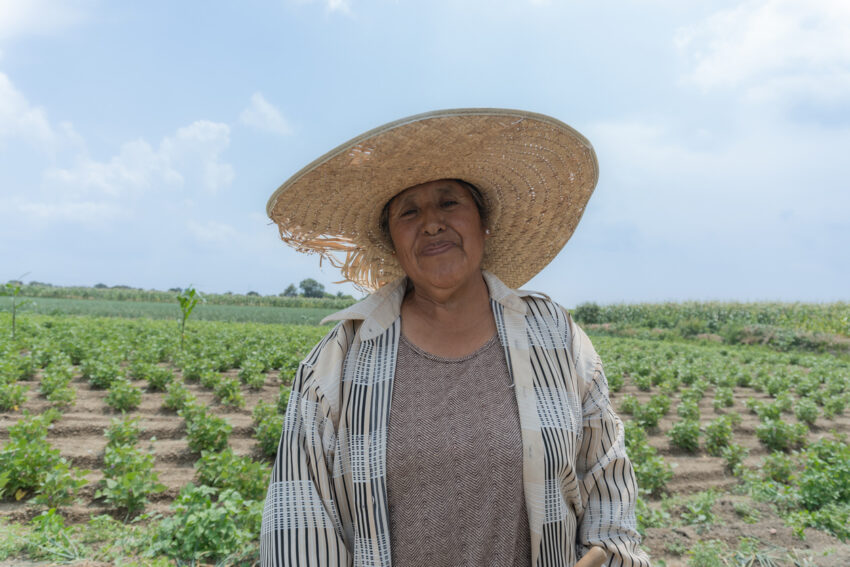
Amid a sweltering summer heat wave, communities in the U.S. East Coast are struggling to handle the stress on energy demand in homes built to heat rather than cool. In fact, many households across the county experience a lack of air conditioning reliability. This often-overlooked non-medical driver of health impacts overlooked populations, lower income individuals, those who live in rural areas, and families that live in densely populated urban areas that lack shade or in older buildings with no central air. Let’s explore how air conditioning reliability (or unreliability) can affect the health of you and your familia—and how local communities can address this inconsistency.
State of Air Conditioning Reliability
Over 35 million Americans live ...
While screen time can have some benefits, evidence is mounting of high risks to children’s mental and physical health, according to a new advisory from the U.S. Surgeon General. That is why the U.S. Department of Health and Human Services (HHS) is proposing to refine two objectives to further limit screen time as part of Healthy People 2030. The refinements are to increase the proportion of children ages 2-5 who get no more than 1 hour of screen time a day and increase the proportion of parents who follow American Academy of Pediatrics recommendations on limiting screen time for children ages 6-17. They’re also proposing to add three new objectives. You can comment on the changes by emailing HP2030Comment@hhs.gov. Or you can endorse a comment from Dr. Amelie G. Ramirez, ...
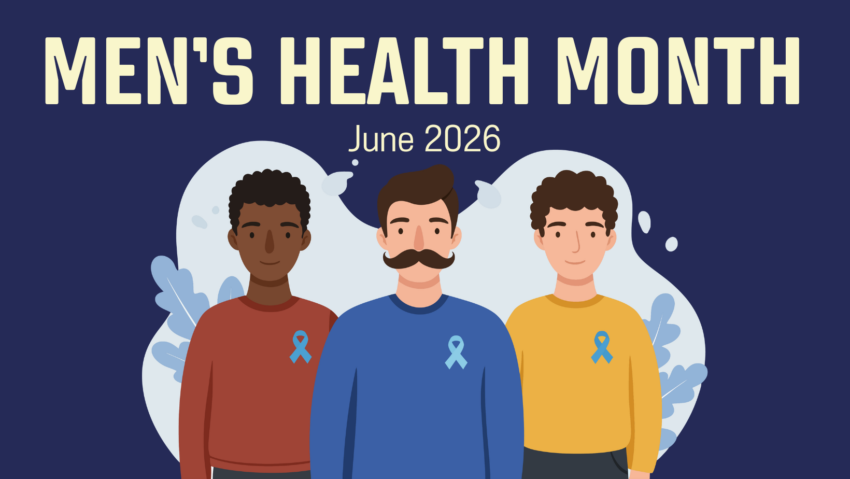
The month of June is recognized as Men’s Health Month. It’s a time to educate, start conversations, and share resources on men’s health. This year’s theme is “Partners in Care: Advancing Men’s Health Through Connection, Education, & Advocacy Across the Lifespan — for Better Lifespans,” according to the Men’s Health Network. “Health behaviors, access to care, and long-term outcomes are shaped by relationships with partners, families, caregivers, friends, and communities,” Men’s Health Network states. “When men are supported through shared advocacy, education, empathy, and connection, outcomes improve not only for men, but for everyone connected to them.” Let’s look into resources you can find and share with others during Men’s Health ...
Alzheimer’s Disease is a rising health issue for Latinos and many others. To ensure support for those affected and their caregivers, UT Health San Antonio hosted a webinar, “Zeroing in on Alzheimer’s, Brain Health, and Caregiving in At-Risk Populations,” at 11 a.m. Central on Tuesday, July 21, 2026. Webinar host Dr. Amelie Ramirez, leader of Salud America! and the Institute for Health Promotion Research at UT Health San Antonio, joined experts from the San Antonio CAPAS research program, a representative from Genentech, a community health worker, and a Latino caregiver to focus on the impact of Alzheimer’s in South Texas and beyond. Panelists discussed the state of Alzheimer’s among Latinos and all people, early signs, early diagnosis, and what the condition means for ...
When we get older, our body changes.
The foods we like don’t respond quite the same way, it may be harder to get around, or it might even be difficult to recall certain memories.
While these are all symptoms of aging, there are also lesser-known factors that contribute to how we age and how quickly some of these issues are brought on.
One surprising factor is drought.
For instance, a recent study has found that environmental stressors like long periods of drought can cause faster cognitive decline.
Check out our new fact sheet, Does Drought Impact Brain Health in Older Latinos?, to help our abuelos and abuelas understand how environmental stressors can impact their brain health.
This fact sheet was created by Dr. Amelie G. Ramirez of Salud America! and UT Health San Antonio based ...





92 People Endorsed Dr. Amelie Ramirez’s Comment to Limit Children’s Screen Time in Healthy People 2030
While screen time can have some benefits, evidence is mounting of high risks to children’s mental and physical health, according to a new advisory from the U.S. Surgeon General. That is why the U.S. Department of Health and Human Services (HHS) is proposing to refine two objectives to further limit screen time as part of Healthy People 2030. The refinements are to increase the proportion of children ages 2-5 who get no more than 1 hour of screen time a day and increase the proportion of parents who follow American Academy of Pediatrics recommendations on limiting screen time for children ages 6-17. They’re also proposing to add three new objectives. You can comment on the changes by emailing HP2030Comment@hhs.gov. Or you can endorse a comment from Dr. Amelie G. Ramirez, ...
Read More