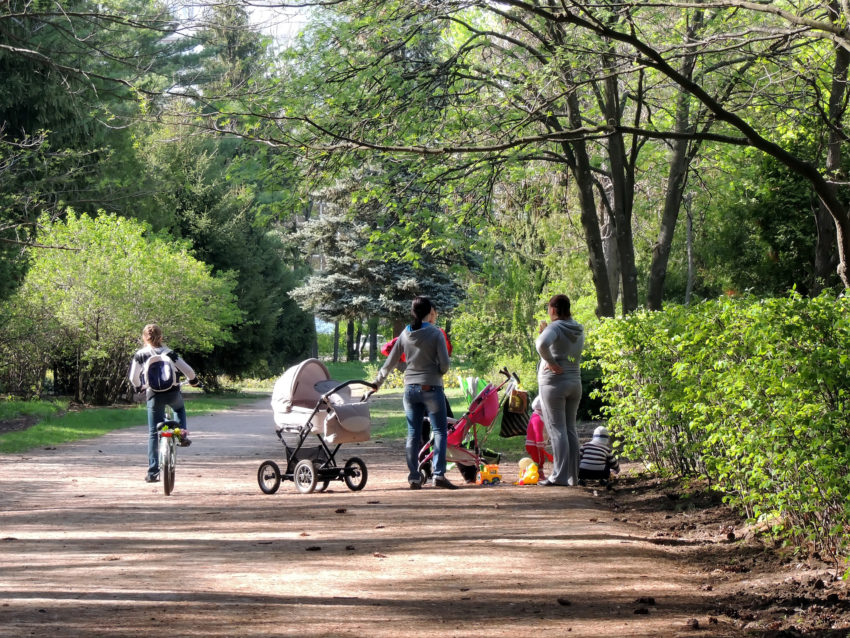
Want to change your life? Walk. Walking can boost your health, the way you live, and your community. As a physical activity, walking changes your body physiologically, improving mental and physical health. As a lifestyle, walking in your local neighborhood and parks can enhance your social and environmental awareness. You'll see things you can’t see while driving. As a driver of community change, walking contributes to building a culture of health through peer-modeling and observational learning. You change your parks and trails simply by being there. Sharing what you see—good and bad—can encourage others to walk and advocate for sustainable, equitable change. UPDATE: Check out the recap on Wakelet. Join us for a #SaludTues Tweetchat on July 24, 2018, to tweet ...
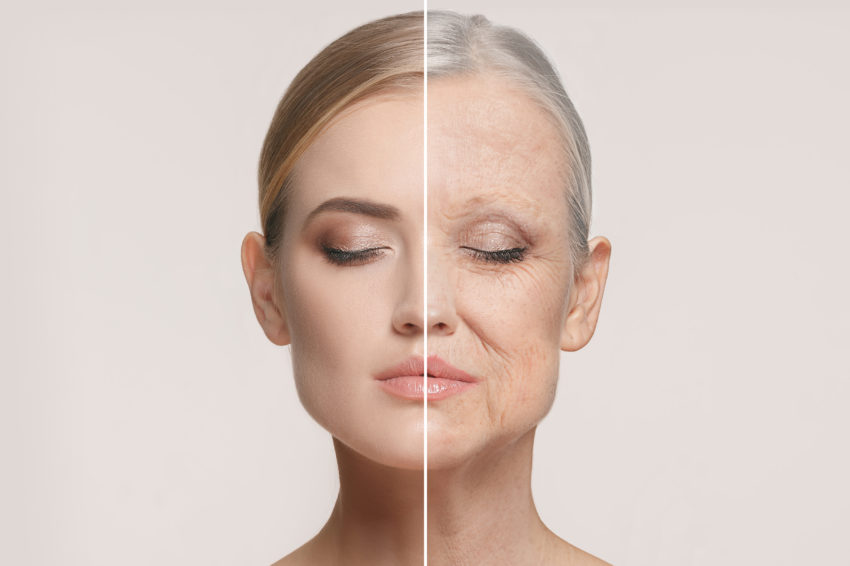
The steady increase in human average life expectancy in the 20th century is considered one of the greatest accomplishments of public health. A person’s rate of aging has important implications for his/her risk of death and disease. Now scientists have developed a blood test that reveals how long a person has left to live, The Guardian reports. Researchers at Yale School of Public Health used a nationally representative U.S. sample to derive a person's “Phenotypic Age” based on 34 a linear combination of chronological age and nine multi-system clinical chemistry measures. The study result suggested that Phenotypic Age is significantly associated with all-cause mortality and cause-specific mortality. If a person’s phenotypic age is higher than their chronological ...
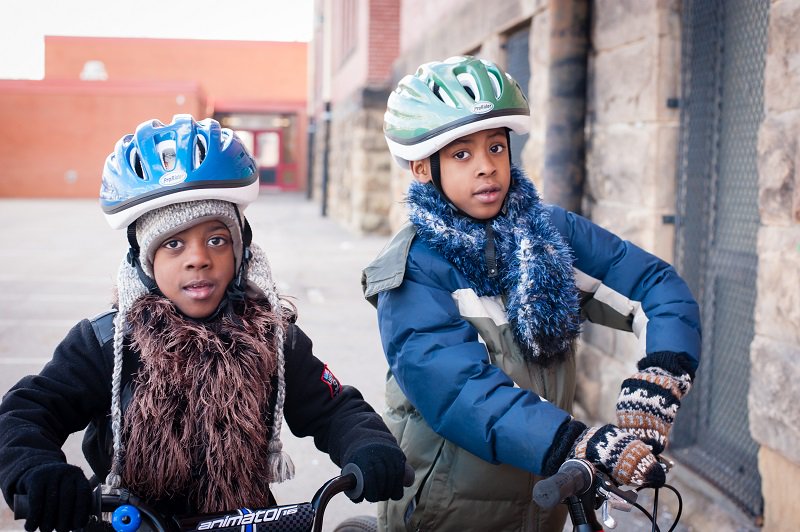
The Safe Routes to School National Partnership (Safe Routes) is raising awareness to end over-policing as a safety solution in walking and biking initiatives. Racial profiling by police, for example, threatens drivers, pedestrians, and cyclists of color. These Latinos and other minorities, who already face less safe roads and fewer places to walk and bike, deal with a greater burden of traffic and pedestrian violations, too. Safe Routes wants you to stand up for minorities by sharing on Twitter, Facebook or Instagram. “As walk and bike advocates, we need to come together to protect people in communities made vulnerable not only by missing and poorly maintained bike lanes and sidewalks and inequitable policies, but also by over-policing,” wrote Holly Nickel, coalitions and ...
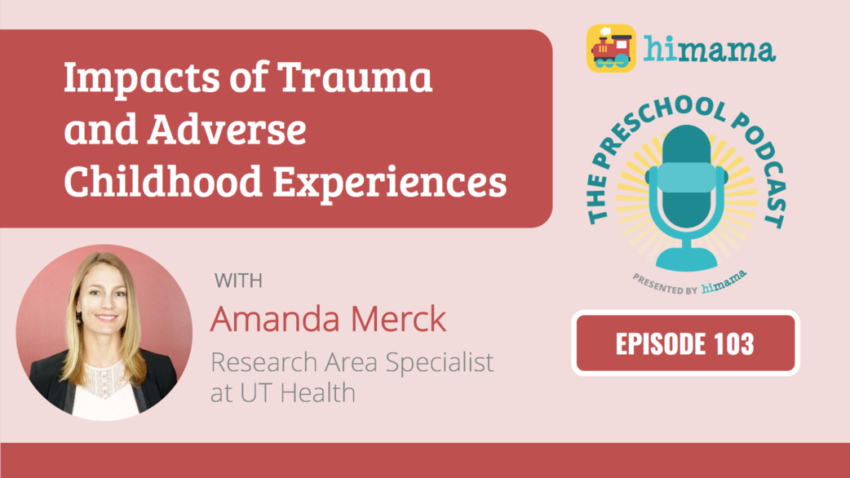
Our own Amanda Merck recently joined HiMama’s The Preschool Podcast to talk about addressing childhood trauma in early childcare and schools to build better futures for Latino and all children. HiMama, which offers tools to help educators improve childhood development, hosts The Preschool Podcast every Tuesday with its co-founder and CEO Ron Spreeuwenberg and a guest. Merck, who curates content for Salud America! on early childhood development, joined podcast episode #103, Impacts of Trauma and Adverse Childhood Experiences, on July 3, 2018. Merck spoke about the critical formative years from 0 to 5 in a child’s development and how childhood trauma, like abuse and poverty, affect a child’s body and brain. However, early childcare educators are rarely trained to deal with ...
About half of U.S. children suffer abuse, poverty, parental incarceration. These kids face deep physical and mental scars that impair development, learning, and health. How can schools support and help students dealing with these issues? The new Salud America! “Help Your School Support Students Action Pack” is a free guide with coaching to help school personnel talk to decision-makers, build a support team, craft a system to identify and support students, and more! The Action Pack was created by Dr. Amelie G. Ramirez, director of the Salud America! Latino health program at UT Health San Antonio, with input from John Hernandez, who created a unique system to help support students at East Central ISD in San Antonio. Get the Action Pack! The Action Pack helps school ...
Climate leadership comes in all shapes, sizes, and places. The Let’s Lead on Climate guide features stories from faith-based and community groups that engage their constituents to elevate climate action and solutions across the nation. “Whether you are a locally elected leader, pastor, nurse, or other community leader, this guide will help you take the first steps toward local climate leadership,” the guide states.
The Guide Can Help Latinos and Many More
Latinos are worried about global warming, but fewer Latinos view themselves as activists, according to the Yale Program on Climate Change Communication. Latinos thus may not feel comfortable reaching decision makers or taking action. What can they do? The Let’s Lead on Climate shows key insights and lessons ...
Colorado moms in the Special Supplemental Nutrition Program for Women, Infants and Children (WIC) can text peer counselors any time of day for breastfeeding advice, thanks to a new program being expanded across the state. WIC is a federal program that boosts healthcare and nutrition for vulnerable women and children. Latinos comprise nearly half of the 8.8 million WIC participants. WIC aims to improve breastfeeding rates, curb obesity, and boost early childhood development. Could texting help WIC moms get breastfeeding support they need? “We know breastfeeding is the healthiest way to feed babies, but sometimes new moms need extra support,” Heidi Hoffman, director of WIC in Colorado, said in a news release. “Using technology, we can help more moms in more places for less ...
Emma Sanchez-Vaznaugh, a former Salud America! grantee, has received a $3.2 million federal grant to study how federal and state nutrition policies and community environments affect the health of different racial/ethnic populations. Sanchez-Vaznaugh is an associate professor of health education at San Francisco State University. Over the next five years, Sanchez-Vaznaugh and her team will investigate whether the policies—which attempt to improve school nutrition standards and reduce childhood obesity—are effective across different racial/ethnic populations, according to a news release. The study will also evaluate whether the policies are more effective when children attend school in neighborhoods with healthier food options. “We hypothesize that the [federal and state ...
Childhood Trauma is a big reason many students miss school. Whether its neglect, abuse, or poverty, trauma hinders a child's brain, body, and future success. How can schools help students deal with trauma and reduce absenteeism? Register for our webinar on May 29, to get free tools and support to help you start a Trauma-Informed Care system in your school district! Our webinar will feature John Hernandez, director of student services at East Central ISD in San Antonio, who pushed district leadership for support, fund advocates at each campus, and eventually created a trauma-informed identification and monitoring system into his district's existing software program. What: How to Start a Trauma-Informed System in Your School District
Time/Date: 12 p.m. CST, Tuesday, May 29, ...