 by
by 
Share On Social!
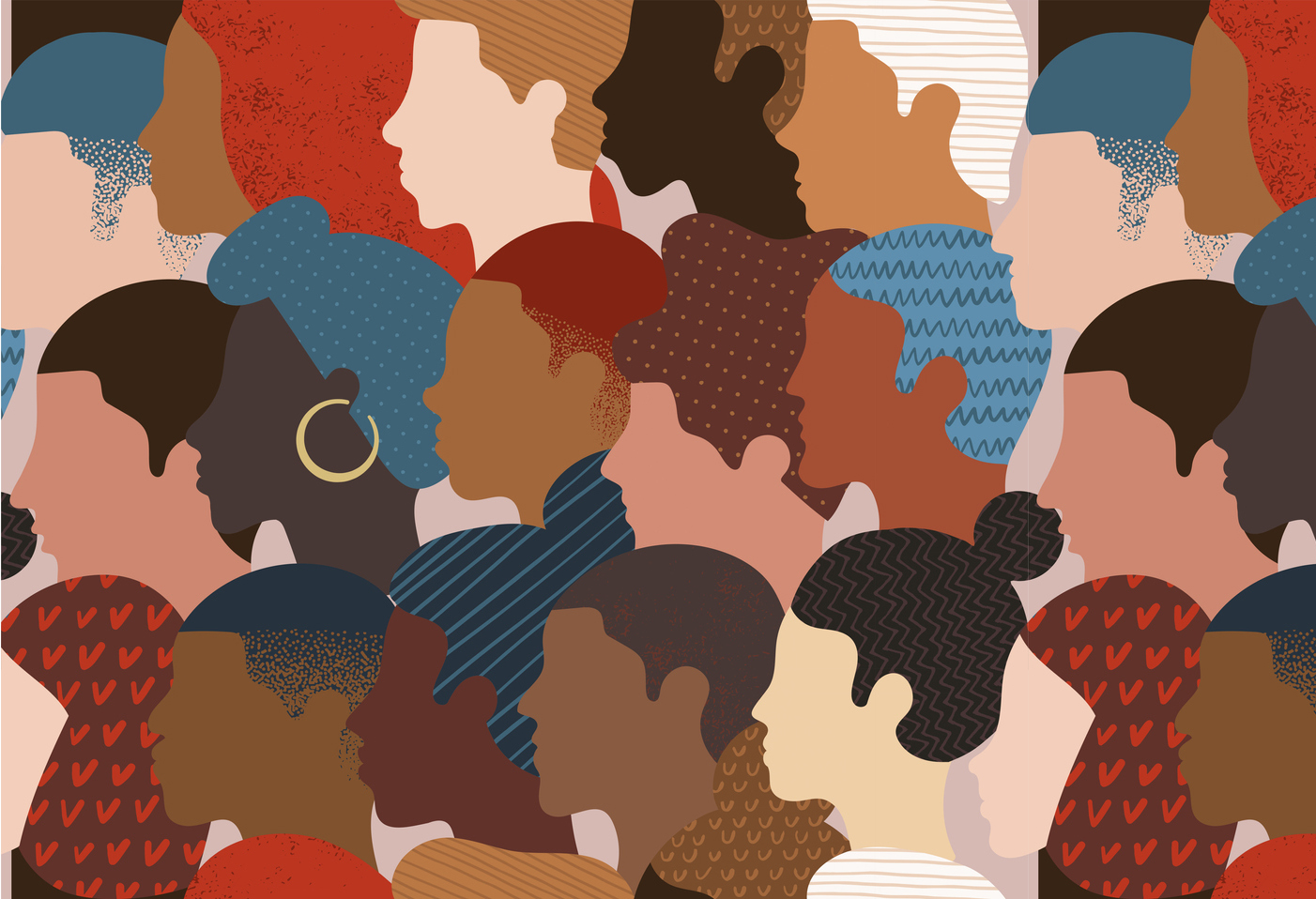
The U.S. is home to many Latinos and other people with different backgrounds, but many suffer unfair health challenges and heavy burdens of cancer and dementia. More research needs to be done to understand the impact, vulnerabilities, and risks these communities face.
To accurately study the health consistencies in these groups, more of them need to participate in clinical research and clinical trials, which are studies with volunteers that test ways to find, prevent, and treat cancer and other diseases.
As of 2023, only 6% of trials being conducted to get FDA drug approval reflected the variety in the U.S. population, according to a new study published in Communications Medicine.
Let’s dive into the study and how to improve clinical trial enrollment.
Study Findings on Clinical Trial Participation
The study, led by the University of California, Riverside, examined population enrollment in 341 late-phase clinical trials for FDA-approved drugs from 2017 to 2023.
Researchers found only 6% of trials matched the makeup of the U.S. population.
Data supported that Black and Latino participants were most likely to be left out of clinical trials.
Researchers also measured enrollment trends over time among these groups.
Latino participants declined gradually over time, Asian participants increased over time, Black participants improved before declining after 2019, and White participation in clinical trials remained about the same.
By the end of the study period, 23% of the trials being studied had an adequate number of Black participants, 30% had a decent number of Latino participants, and 81% had an Asian population that was relative to the U.S. population.
Importance of Clinical Trials
Clinical trials are used to find and test new therapies, interventions, and technologies to treat, prevent, and manage diseases.
These evidence-based tests are done in a controlled environment and require participants at each phase to be put into practice.
It’s a lengthy process, but vital in helping people diagnosed with diseases like cancer.
But these clinical trial pools aren’t in line with the entire population of the U.S.
When every population group aren’t involved in research, these new treatments and technologies aren’t tested to see how these populations respond.
Without them, there is no guarantee they work like they do in other groups, and they might not see the same benefits.
“If clinical trials under-sample large segments of human genetic variation, critical signals for safety and efficacy may be missed,” said Sophie Zaaijer, a geneticist with both UC Riverside and UC Irvine, and co-leader of the study.
Some research studies are observational and help researchers learn more about community needs so they can find solutions to problems or help them understand why certain groups are more effected than others.
“Precision medicine becomes possible only when clinical trials map the biology of all patients, not just a subset,” said study co-leader Simon “Niels” Groen, a UC Riverside geneticist.
Overcoming Challenges to Clinical Trial Enrollment
Researchers and health improvement experts have identified several reasons why some groups aren’t enrolling in clinical trials.
Some hurdles include limited clinical trial comprehension, misunderstandings of what clinical trials are and what they involve, time commitments, transportation, and more.
A 2026 study looked at some of these hurdles to study recruitment by conducting a focus group with people who have participated in a clinical trial.
Focus group participants highlighted the need for transparency, use of trusted sources of information, including community members, a strong focus on the generational benefits of clinical trial participation, and the use of adaptive and linguistically relevant materials.
Studies can also improve clinical trial enrollment by providing study flexibility, such as offering incentives, reimbursements for ride sharing programs, and conducting virtual study visits.
The Institute for Health Promotion Research at UT Health San Antonio, the team behind Salud America!, has developed a multi-level communications approach to help engage overlooked populations such as Latinos in clinical research.
The strategy aims to restore trust in health care and research by educating communities about what clinical trials are and why their participation is needed.
This is done using trusted bilingual community health workers, sharing success stories from real people who chose to participate in a clinical trial, and developing tailored and linguistically relevant materials that everyone can understand to improve study enrollment.
The team is partnering with companies like Genentech and their AIR Site Alliance initiative, which includes the Mays Cancer Center, to boost clinical trial participation in South Texas.
Find a Clinical Trial Near You
More people from overlooked backgrounds and communities are needed in research and clinical trials.
Their experiences, diagnoses, backgrounds, and circumstances are vital to make sure that interventions work for all people.
South Texas stomach cancer survivor and advocate Yolanda “Yoli” Barrera Day took the leap and volunteered for a clinical trial.
That clinical trial helped cut down the time of radiation treatment.
Radiation can be used to treat cancer by stopping and killing cancer cells, but it comes with side-effects such as fatigue, which can impact recovery time.
“If we could cut down the time of this horrible treatment that we have to go through, then I wanted to be part of that,” Yoli told Salud America! “If that was going to be at the end of the day, the new treatment plan that they were going to use for others, then I definitely wanted that to happen, so I took a chance.”
She’s now sharing her experience with the Avanzando Caminos study, which looks at the post-cancer life of Latino survivors to identify strategies to help future survivors.
South Texas cancer survivors, learn more about Avanzando Caminos and volunteer to share your story.
Check out other clinical trial success stories.
Those looking for opportunities based in San Antonio can search the Mays Cancer Center at UT Health San Antonio’s Find a Clinical Trial database to learn more about available clinical trials and eligibility requirements.
On a national level, visit clinicaltrials.gov to find a clinical trial near you.
Explore More:
Clinical TrialsBy The Numbers
10
Percent
of clinical trial participants are Latinos