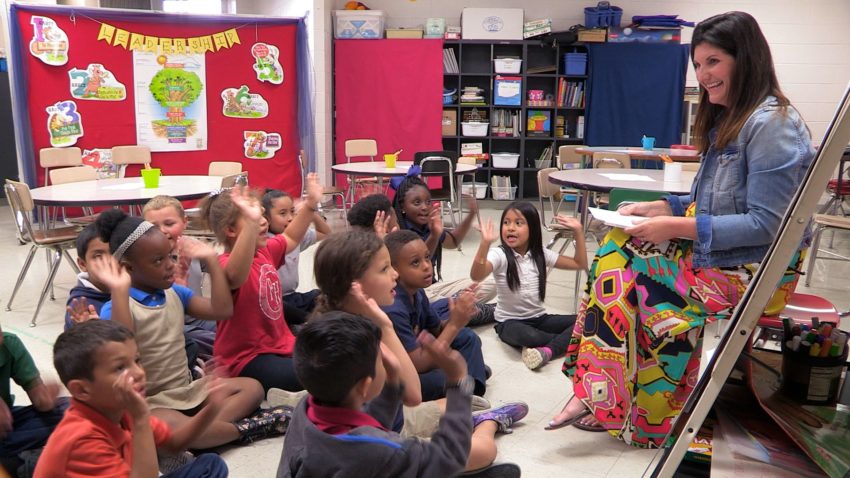
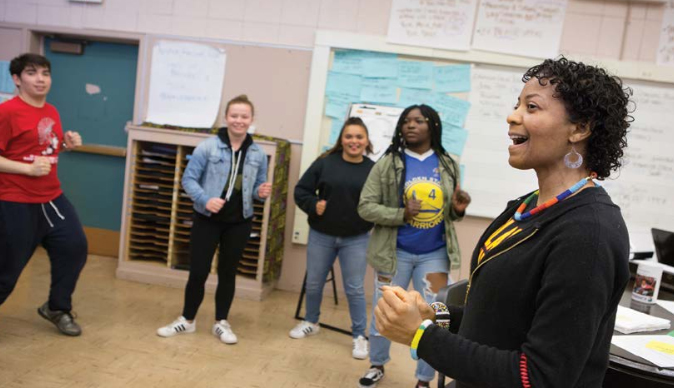
How can school leaders address early-life trauma among their students, improve academic and behavioral outcomes, and reduce harsh disciplinary action? Check out Nashville’s trauma-sensitive revolution. Metro Nashville Public Schools (MNPS) (23% Latino) has spent the past six years integrating trauma-informed practices, such as social and emotional learning and restorative discipline, to help students feel supported and understood, Edutopia reports. They even hired a full-time trauma-informed coordinator. “Our ability to accelerate achievement in the future is dependent on meeting the social and emotional learning needs of our students,” MNPS Director of Schools Shawn Joseph told The Tennessean. “We expect it, and the students deserve it.”
The Need to Address Trauma ...
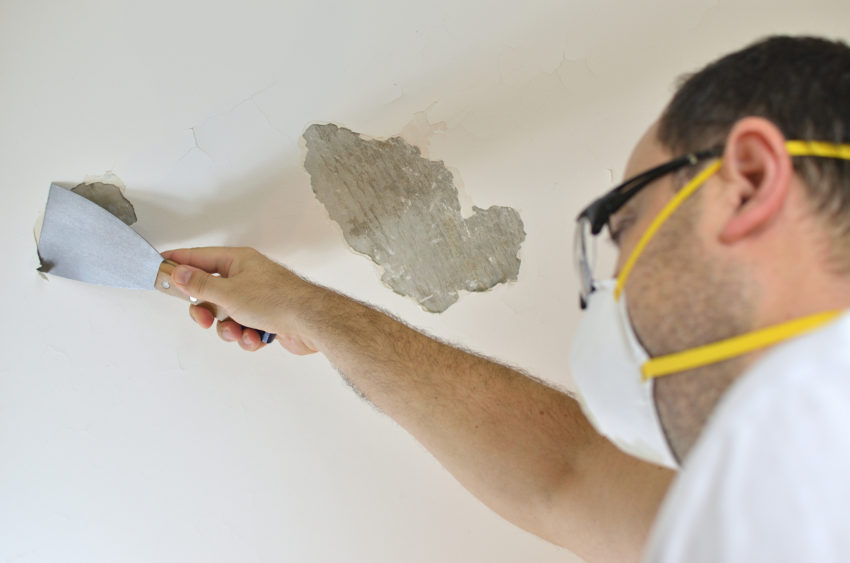
A Latino labor agency and environmental groups sued the Environmental Protection Agency (EPA) last week for not banning a lethal chemical used in paint removers. Exposure to methylene chloride, the harmful substance, has caused asphyxiation and heart failure. At least 50 people have died from working with the chemical, according to Earthjustice. The short-term side effects should concern the Latino community. Heart disease is common in Latinos (49.0% men/42.6% women), and they are less likely to receive life-saving heart devices. Latinos also are more likely to work jobs that use these “deadly paint strippers,” according to the Labor Council for Latin American Advancement’s (LCLAA), who teamed with the Natural Resources Defense Council (NRDC) on the lawsuit. “EPA’s ...
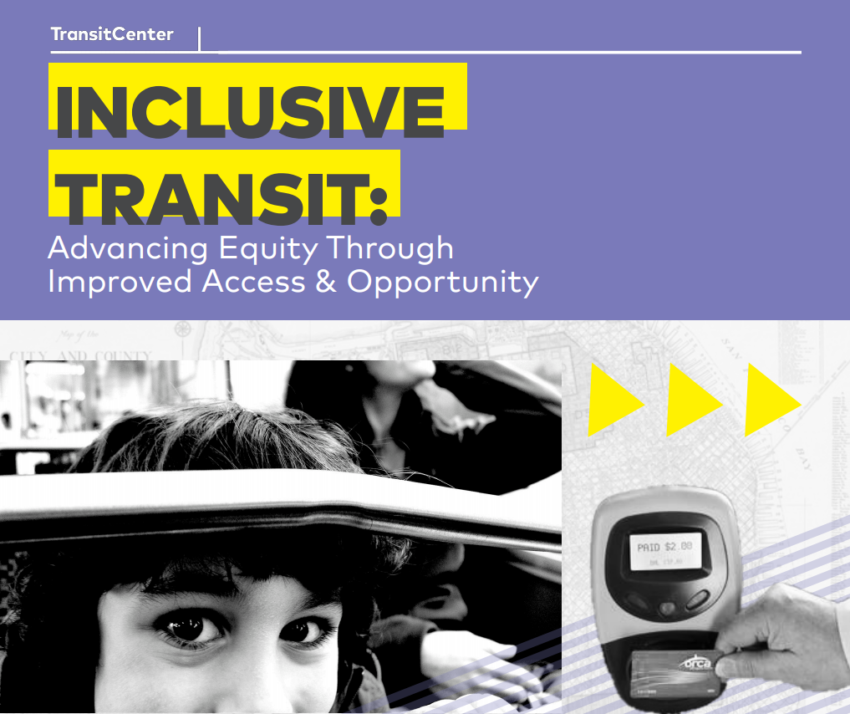
A new report will help transportation planners and policymakers make public transit more equitable and inclusive in their cities, while minimizing public health and climate change impacts. Safe, affordable and reliable public transportation benefits entire populations and can improve a person’s health and social mobility. But too much money pays for projects that widen historical gaps in access to transit options for Latinos, other communities of color, and low-income people. To highlight and reverse this trend, the TransitCenter foundation released a report, Inclusive Transit: Advancing Equity Through Improved Access & Opportunity. The report shows how to empower transit agencies to advance equity. “This can lead to prioritizing transportation investments that ...
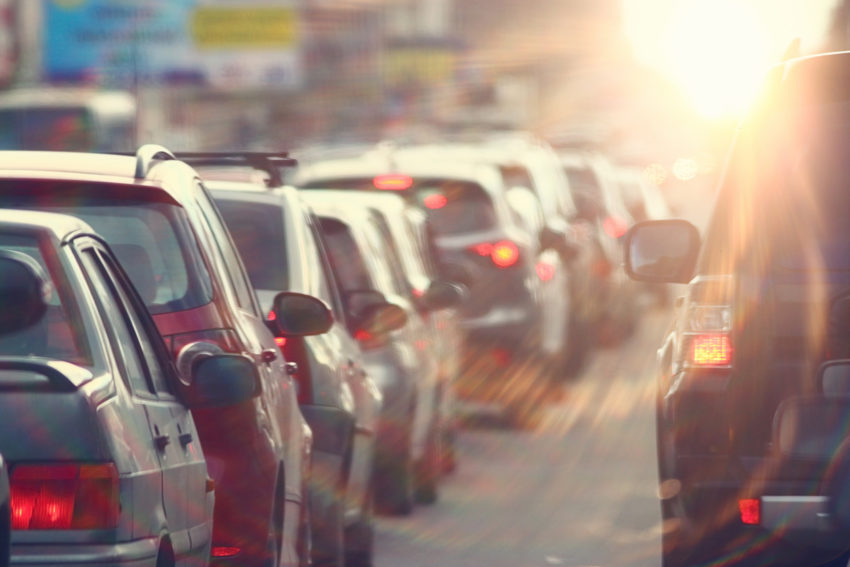
Latinos and African Americans in California breathe 40% more fine particulate matter from cars, trucks and buses than their White peers, according to a new study. This type of air particle pollution is so tiny—20 times smaller than the width of a human hair—it can penetrate deeply into the lungs and bloodstream. It is linked to heart and lung ailments, asthma attacks, and even death. This is bad news for Latinos, who are already disproportionately affected by air pollution in California. About 44% of Latinos live with poor air quality, compared to 25% of non-Latinos, according to a 2018 report. "California has made enormous strides over the past several decades to reduce overall pollution from vehicles, but this data shows people of color still breathe higher amounts of ...
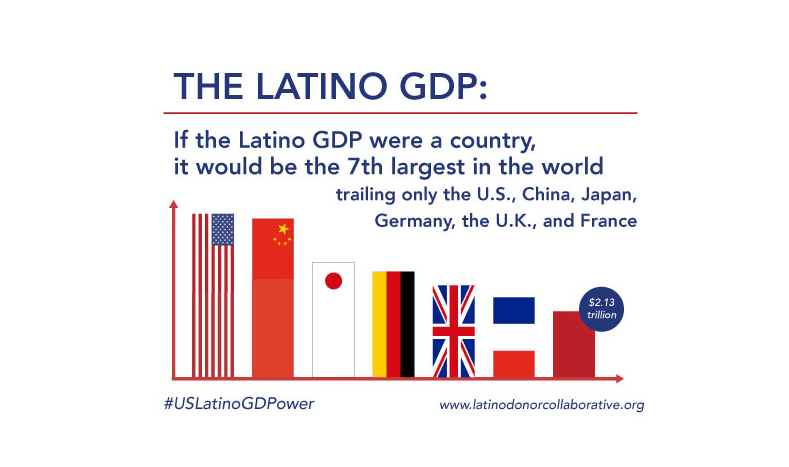
Don't think Latinos add much to the U.S. economy? Think again. If U.S. Latinos were their own nation, they would have the world's seventh-largest gross domestic product (GDP), at $2.13 trillion, according to a report by the Latino Donor Collaborative. That is a higher GDP than India, Brazil, and Italy. This means American Latinos are driving growth of the U.S. workforce and economy. This is contrary to political and popular rhetoric about Latinos, which hurts Latinos. The Latino GDP is growing 70% faster than the U.S. GDP. "If these rates are sustained, Latinos will contribute nearly one quarter of all U.S. GDP growth between 2019 and 2020," according to NGL Collective on the Latino Donor Collaborative report.
How Latinos Impact the Economy
By 2020, U.S. Latino purchasing ...
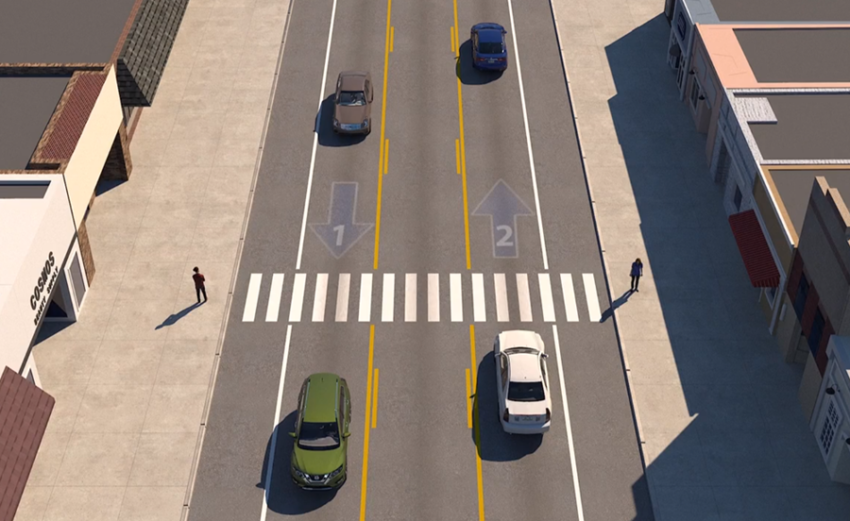
U.S. streets are getting more dangerous and traffic congestion isn’t going away, so transportation leaders in Iowa are pushing a new idea to improve road safety. A road diet. A road diet takes away lanes, like converting a road from 4 lanes into a 2-lane street with a center turn lane, which usually slows traffic and improves safety and economic vitality, according to a new video from the Iowa Department of Transportation (IOWADOT) shared by Strong Towns. This thinking flies in the face of typical ideas of roadway expansions. "Curing congestion by adding more lanes is like curing obesity by buying bigger pants,” said notorious planner, Lewis Mumford.
The Unsustainability of Focusing on Solving Traffic Congestion
Our transportation network should protect and meet the ...
Schools should reshape their environment to promote students’ social, emotional, and academic learning, according to a new report from the Aspen Institute. In schools with little focus on social and emotional learning, students of color or those who have experienced poverty and other childhood trauma may fall behind in typical measures like grades, attendance, and graduation. They aren’t prepared for success in adulthood. The new report explores the science of learning and makes the case for integrating—rather than separating—students’ social, emotional, and academic development. This would benefit all kids, especially Latinos and others at-risk, for the future of our nation. “Educating the whole student requires rethinking teaching and learning so that academics ...
As the longest U.S. government shutdown in history marches on, Latinos and the most vulnerable people face losing federal support for their very homes. Tax credits are the U.S. government’s primary tool to encourage the development of affordable housing. The government grants the credits to developers, who then sell the credits to banks and other investors, who in turn use those credits to lower their own tax bills. According to CNN, the shutdown, which started Dec. 22, 2018, is creating uncertainty for tens of thousands of low-income tenants who rely on the federal government to help pay their rent. The Department of Housing and Urban Development (HUD) hasn’t been able to renew about 1,650 contracts with private building owners who rent to low-income Americans and an ...
Teens with more adverse childhood experiences (ACEs) are more likely to have overweight, obesity, and severe obesity than those with no ACEs, according to a new Minnesota study. Youth with one ACE─psychological abuse, physical abuse, sexual abuse, familial substance abuse, domestic violence, or parental incarceration─were 1.38 times as likely to have obesity than youth with no ACEs. Those with all six ACEs were 2.03 times as likely to have obesity. Additionally, Latino youth were 1.38 times as likely to be overweight as white non-Latinos. “Our results imply that child health professionals should understand the relationship between ACEs and weight status in adolescence, and that screening for ACEs and referring youth and their families to appropriate services might be an ...