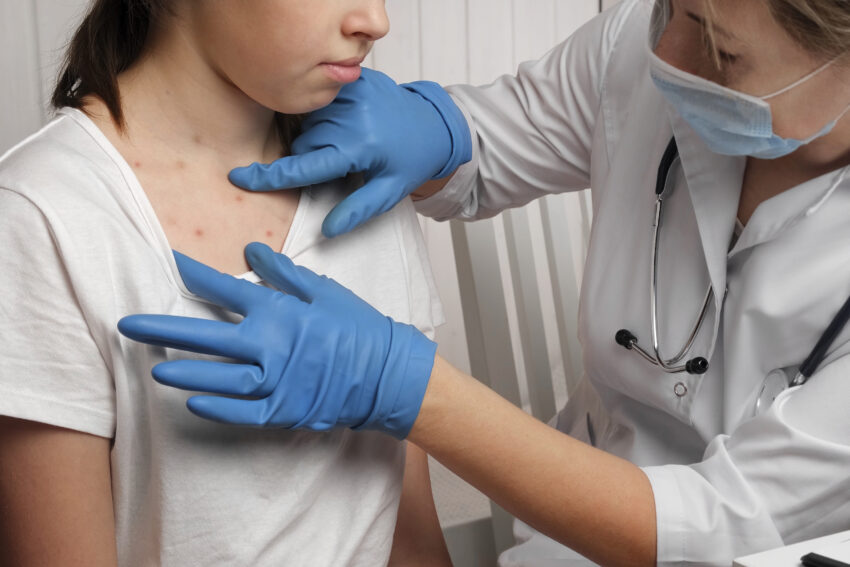
Before the introduction of the vaccine, measles was a prevalent disease that meant sickness or death for up to 4 million people each year, according to the CDC. After the vaccine, measles was declared eliminated in the U.S. in 2000. However, vaccine hesitance and incorrect information about the measles (MMR) vaccine have caused fewer vaccines to be administered and the virus to spread, revoking the country’s “eliminated” status. As states continue to report cases of the virus, it’s more important now than ever to stay informed about measles to protect you and your familia. That’s why Health Confianza – a partnership between UT Health San Antonio, UT San Antonio, and the San Antonio Metropolitan Health District – has developed ...
The U.S. is home to many Latinos and other people with different backgrounds, but many suffer unfair health challenges and heavy burdens of cancer and dementia. More research needs to be done to understand the impact, vulnerabilities, and risks these communities face.
To accurately study the health consistencies in these groups, more of them need to participate in clinical research and clinical trials, which are studies with volunteers that test ways to find, prevent, and treat cancer and other diseases.
As of 2023, only 6% of trials being conducted to get FDA drug approval reflected the variety in the U.S. population, according to a new study published in Communications Medicine.
Let’s dive into the study and how to improve clinical trial enrollment. Study Findings on Clinical ...
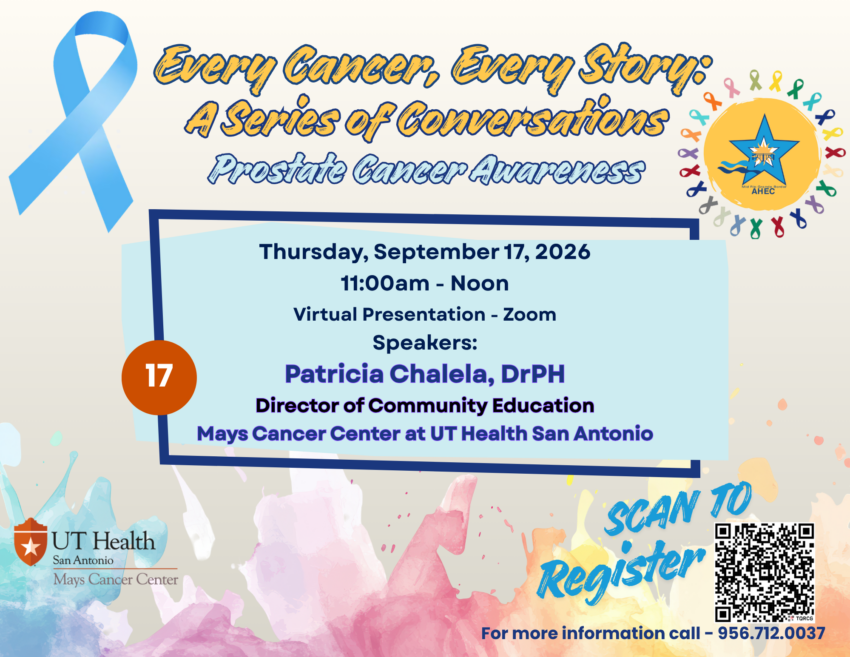
People in South Texas experience many challenges with prostate cancer. To address these challenges and help the community, join a new virtual presentation, “Prostate Cancer Awareness,” at 11 a.m. Central on Sept. 17, 2026. The event will feature Dr. Patricia Chalela, a cancer researcher at UT Health San Antonio, and Sandra Sivak, a community cancer research coordinator at UT Health San Antonio. Both are part of the community outreach and engagement team at the Mays Cancer Center at UT Health San Antonio. The virtual presentation is part of the “Every Cancer, Every Story: A Series of Conversations” webinar series, a collaboration of the Mid Rio Grande Border Area Health Education Center (AHEC) and Mays Cancer Center Office of Community Outreach and Engagement (COE) at UT ...
Latinos and other overlooked populations have a high burden of cancer, fueled by struggles with non-medical drivers of health like transportation and insurance. Researchers are studying these factors to improve cancer outcomes for these groups. Yet too few Latinos and others are engaged in research. For example, as of 2023, only 6% of FDA trials reflect the U.S. population. To improve research participation and ensure innovations work for all populations, Genentech, a top pharmaceutical company and member of the Roche Group, decided to take a more hands-on approach and launched the AIR Site Alliance in 2021. Since its inception, Genentech’s AIR Site alliance oncology sites have helped enroll 63% more people from overlooked ...
The role of artificial intelligence (AI) has become quite common in everyday life. Whether it’s scrolling though a phone, working on a computer at school or work, a thermostat in a home, and even when you visit the doctor. Nurse.org has introduced Nurse AI Watch, ongoing tracker of how artificial intelligence is actually being used in nursing. “We follow the tools, the systems deploying them, the safety questions, the union contracts, and the oversight gap, and we update it as the picture changes,” according to the Nurse.org website. Let’s dive deeper into what this means and what AI and nursing can look like in the future.
What Does AI in Nursing Look Like Today?
Artificial intelligence in nursing can mean many things. “With the ability to analyze vast amounts ...
Para vivir una vida saludable, necesitamos convivir y relacionarnos con otros. Sin embargo, muchos adultos mayores enfrentan aislamiento social, o sea, tienen poca interacción con otras personas y casi ningún contacto regular, y también padecen de la soledad, ese sentimiento doloroso de estar solos o alejados de los demás. ¿Cómo podemos evitar el aislamiento social y la soledad al envejecer? Le invitamos a leer nuestra nueva hoja informativa, Guía para Combatir el Aislamiento Social y la Soledad, creada para ayudar a nuestros abuelos, familias y amigos a entender qué son el aislamiento y la soledad, cómo afectan la salud, y qué podemos hacer para prevenirlos y evitar el Alzheimer y otras demencias relacionadas. Esta hoja informativa fue escrita por la ...
As summer come to an end, children and families are gearing up for another school year. Between the school supplies, new clothes, and getting back into the routine of things, it’s important to ensure students and families are healthy and safe! With this in mind, let’s look at helpful reminders for back to school.
1. Keep a Sleep Schedule
Having a consistent sleep schedule can impact one’s health and wellbeing. For example, studies show an association between insufficient sleep and obesity. “Poor sleep is also linked with the likelihood of developing diabetes and, over a longer term, with heart problems,” according to the Children's Hospital of Philadelphia. Consistent sleep schedules also support emotional regulation and mood stability, cognitive ability, immune ...
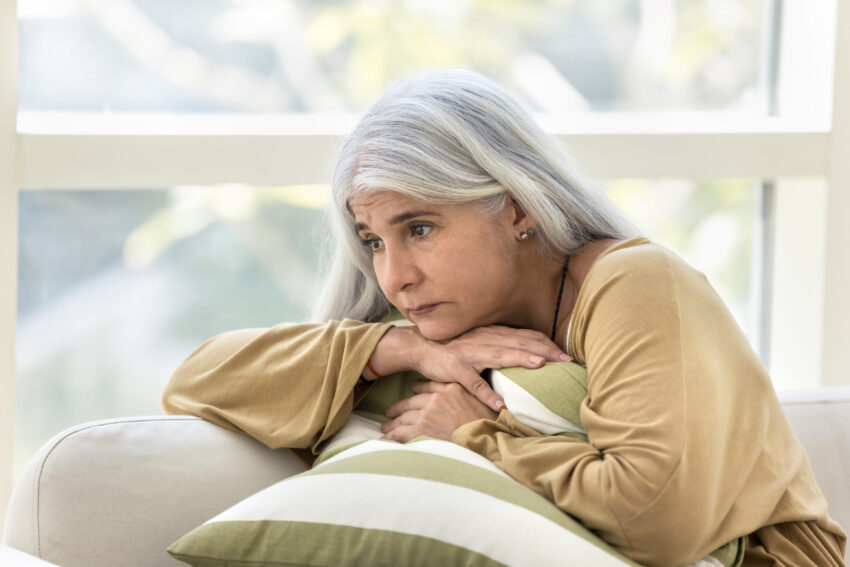
People need social interaction to live a healthy life.
Yet many aging adults face social isolation, a lack of social contacts and few people to interact with regularly, and loneliness, the distressing feeling of being alone or separated.
How can we avoid social isolation and loneliness as we age?
Check out our new fact sheet, A Guide to Combating Social Isolation & Loneliness, to help our abuelos, familias, and amigos understand social isolation and loneliness and ways to combat them and avoid Alzheimer’s Disease and related dementias.
This fact sheet was created by Dr. Amelie G. Ramirez of Salud America! and UT Health San Antonio and its partner the San Antonio Center for AD/ADRD Population Aging and Social Studies (San Antonio CAPAS) at UT Health San Antonio.
get THE FACT ...
The Rural Health Information Hub (RHI Hub) and the NORC Walsh Center for Rural Health Analysis have created the Rural Mobile Healthcare Toolkit to help organizations start mobile healthcare programs in rural areas. The toolkit highlights model programs and contains resources for program development, implementation, evaluation, and more. Let’s take a closer look at the toolkit and why support for rural healthcare is important. Get the toolkit!
RHI Hub’s Rural Mobile Healthcare Toolkit
The Rural Mobile Healthcare Toolkit includes considerations and challenges that organizations may face when developing, implementing, evaluating, and sustaining mobile healthcare programs in rural communities. Additionally, the toolkit shares benefits and barriers of mobile healthcare, ...