Not getting enough sleep at nights may be causing your junk food cravings, according to a study. After scanning 23 young adults after a normal night’s sleep and after a sleepless night researchers at UC Berkeley found “impaired activity in the sleep-deprived brain’s frontal lobe, which governs complex decision-making, but increased activity in deeper brain centers that respond to rewards. Moreover, the participants favored unhealthy snack and junk foods when they were sleep deprived.” “What we have discovered is that high-level brain regions required for complex judgments and decisions become blunted by a lack of sleep, while more primal brain structures that control motivation and desire are amplified,” said Matthew Walker, a UC Berkeley professor of psychology and ...
Stress has long been a risk factor associated with obesity in adults, and now a new study from researchers at the Albert Einstein College of Medicine in New York found that stressed Latino adults were more likely to have children with obesity as well. The data from the Study of Latino Youth (SOL Youth) showed a relationship between child weight status in the Latino population and parental stress. "Obesity and chronic stress were both prevalent among this Latino population, with more than one-quarter (28%) of children ages 8-16 with obesity, and nearly one-third (29%) of their parents reporting high levels of stress," said Dr. Isasi in a report from News Medical. The study looked at Latinos living in the Bronx, Chicago, Miami and San Diego areas, and followed guidelines from the ...
SaludToday Guest Blogger
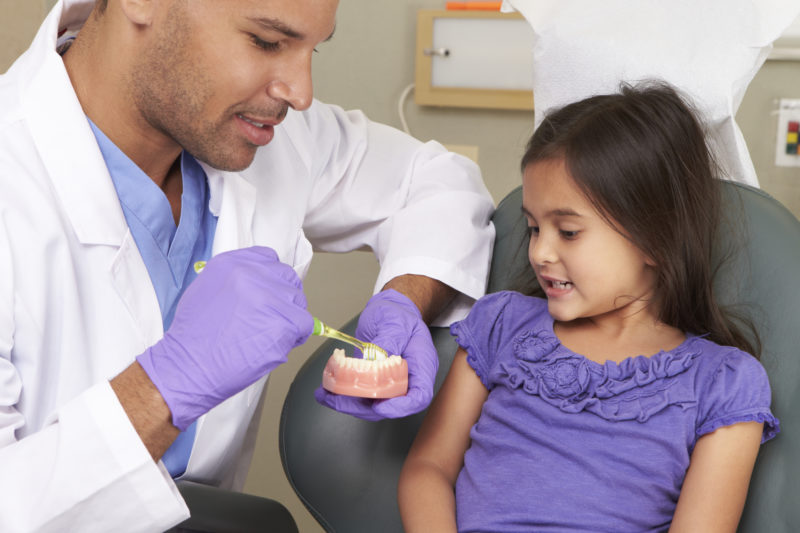
Jefferson Dental Clinics "You have a cavity." You've probably heard this exact phrase from your dentist about your teeth.
What should you do?
First, bone up on what cavities are. "Demineralization" is the process of how tooth enamel loses minerals. Tooth enamel is comprised of a pattern of minerals and when they are lost, gaps in the pattern form that eventually widen and deepen as minerals are lost faster than the rate of rebuilding occurs. A common misconception is that sugar itself erodes tooth enamel; however, the sugars simply act as a food for the bacteria. The bacteria produce lactic acid, which erodes the enamel when it is left to settle onto teeth.
Can you see or feel a cavity?
If you’ve ever had a cavity, particularly a deep one, you may ...
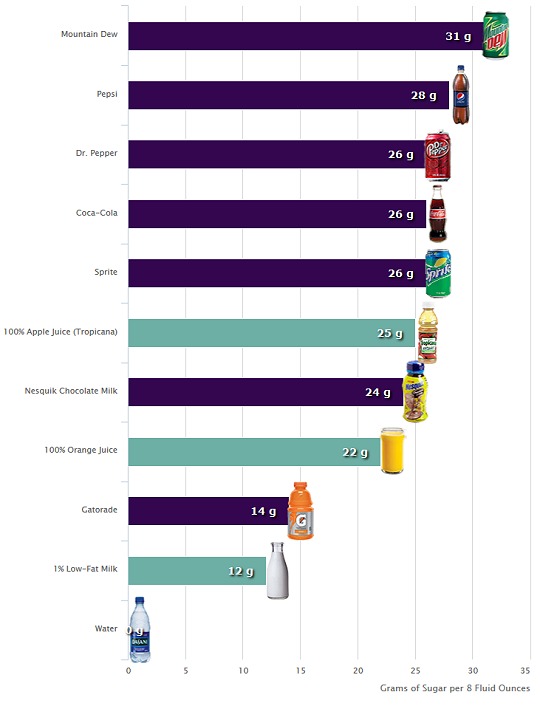
Many restaurants offer the same sugary beverages on kids meals with unhealthy options like high-sugar sodas, lemonades and juices. Now Maryland lawmakers are considering a bill to help ban sodas and other sugary drinks from kids menu's in all restaurants. Wanting to help parents and kids make the healthy choice the easy choice, the bill would change kids menus to offer healthier choices like water, low-fat milk or 100 percent juices at regular price. "The choice that comes with 80 percent of restaurant kids' meals is a soda or a fruit punch, and in those cases families are always welcomed to ask for a healthy drink, but it sometimes costs $2 or $3 more to get a milk," Robi Rawl, the Sugar Free Kids Maryland Executive Director said in a recent article. According to the Center ...
Sugar has been a hot topic in the news. Recent research shows the negative health impacts such as diabetes, high blood pressure, and heart disease. But does sugar impact kids' brains? A new study shows that not only does consumption of sweets and sugar filled products hurt the body, and cause oral health decay, but also consuming sugar can cause changes in the part of the brain that control emotional and cognitive function. The study was published in the Frontiers in Molecular Neuroscience, where researchers found that sugar water diets given to rats had the same effect on the brain as if rats were exposed to early life issues or abuse. Over consumption of sugary sweetened beverages is a concern especially for young children the researchers explained, as this can cause ...
The Internet is crazy huge. So, how can health communicators reach the right people with the right health messages? At Salud America!, formerly called SaludToday, we're all about using "digital content curation" to raise awareness of many health issues, as well as promote solutions and build people's capacity to change these issues. Check out our new scientific article that explains how we "curate." Curation is an emerging strategy that uses a systematic, refined process to create tailored health messages and prevent mixed messaging and information overload for an audience. With massive amounts of content created across the Internet every minute, our digital health curation model and three-step approach—collect–craft–connect—identifies and brings our audience to ...
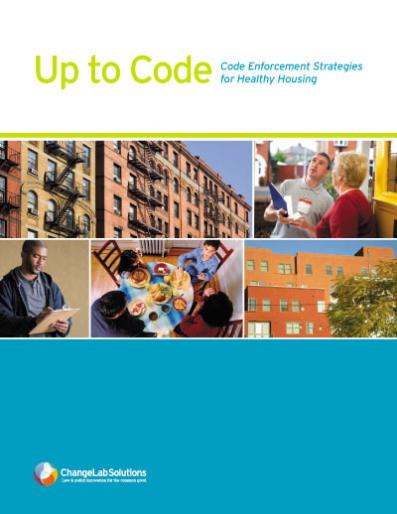
A new guide by ChangeLab Solutions can help local jurisdictions design a code enforcement program to help create and maintain health housing. Good quality housing is central to the health of individuals, families, and communities. When housing falls into poor conditions or disrepair due to pest infestation, moisture damage, hazardous chemicals, or inadequate ventilation, its residents tend to have poor health. Unhealthy homes have been linked to 20-30% of all asthma cases, over 20,000 lung cancer deaths, and a host of preventable fatal and nonfatal home injuries. Without proper maintenance, homes can become unhealthy and dangerous. Strong housing codes, well-trained enforcement officers, and municipal cooperation are necessary to protect residents. Property owners and ...
Improving health isn't limited to the doctor's office or to a lab. Quite the opposite, in fact. The zip code you grow up in is a better predictor of your health than your genetics. This is due to non-medical drivers of health that influence health behaviors. Take street trees, for example. A recent study, on neighborhood green space and health, found that street trees have numerous economic and health benefits. Exposure to green spaces can reduce sedentary time, promote physical activity, and reduce blood pressure, which is important for communities that are impacted by the non-medical drivers of health, because they often lack aesthetically pleasing active spaces, yet are burdened by increased rates of obesity, cancer, and chronic diseases like diabetes. "We find that ...
Cancer is a top killer of Americans. While in some instances cancers are genetically inherited in the majority of cases, they’re preventable with a good diet and plenty of exercise. Here are top cancer-fighting superfoods, according to Health:
1. Berries
Berries are packed with phytonutrients, especially black berries which contain a high concentration of phytochemicals called anthocyanins. These "slow down growth of premalignant cells and keep new blood vessels from forming (and potentially feeding a cancerous tumor).”
2. Walnuts
Phytosrerois—cholesterol like molecules “have been shown to block estrogen receptors in breast cancer cells, possibly slowing the cells' growth.”
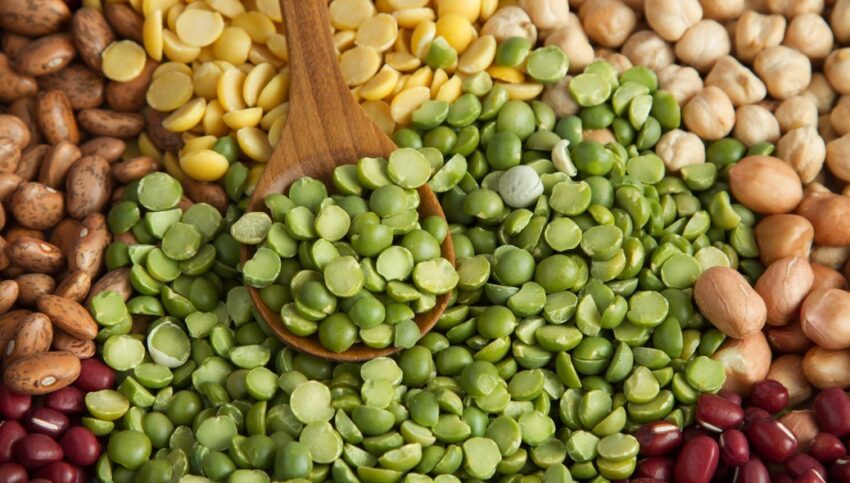
3. Beans
Researchers and numerous studies have found that black and navy beans can ...