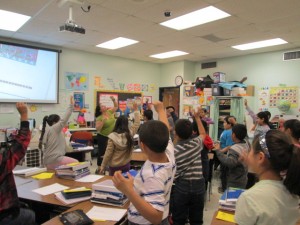
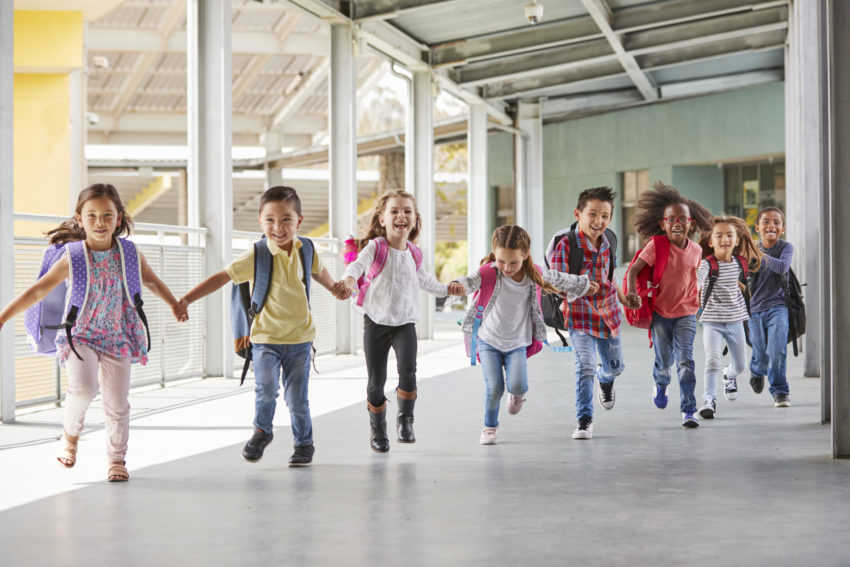
The Michael & Susan Dell Center for Healthy Living have multiple programs and projects that promote healthy living. Active-Play Active Learning (APAL) is just one of the many healthy programs that encourages healthy changes for kids. APAL is a school-based initiative that allows kids to become more active in recess and school time. APAL is incorporated through three main approaches: Classroom Brain Breaks- brief activity breaks that support academic learning and contribute active class transitions.
School Playground Markings- beautified playground areas with locomotor markings that encourage learning and activity during recess and class time.
Peer-Led Games- five to ten minute student led games. Three times a year teachers are trained with interactive games and ...
The first Wednesday in June is National Running Day (or Global Running Day)! This is the perfect day for runners to reaffirm their passion for running and it is also a good day for beginners to begin a life-changing commitment to running. If you haven’t laced your sneakers yet, today might be the perfect day to go out for a stroll or a run. According to experts the benefits of running include: An increase of good cholesterol
A boost of feel-good chemical serotonin levels in the brain
Decrease your risk of developing blood-clots Get active for National Running ...
Niños de bajos recursos son más propensos a ser obesos según un estudio por JAMA Pediatrics, reporta Univision Noticias. El estudio revelo que entre los niños de edad pre-escolar de familias de escasos recursos el número de obesidad ha subido desde 1998 en comparación a niños de familias adineradas, quienes han tenido una reducción en los índices de obesidad. "Al dividir a los niños por grupos socioeconómicos, aparece que el aumento es bastante grande en los de familias más pobres", dijo Ashlesha Datar, de la University of Southern California, en Los Ángeles a Univision Noticias. El estudio analizo datos de casi 17,000 niños que ingresaron al jardín infantil en 1998 y los comparo con datos de 15,500 niños que ingresaron en el 2010. El estudio revelo que ...
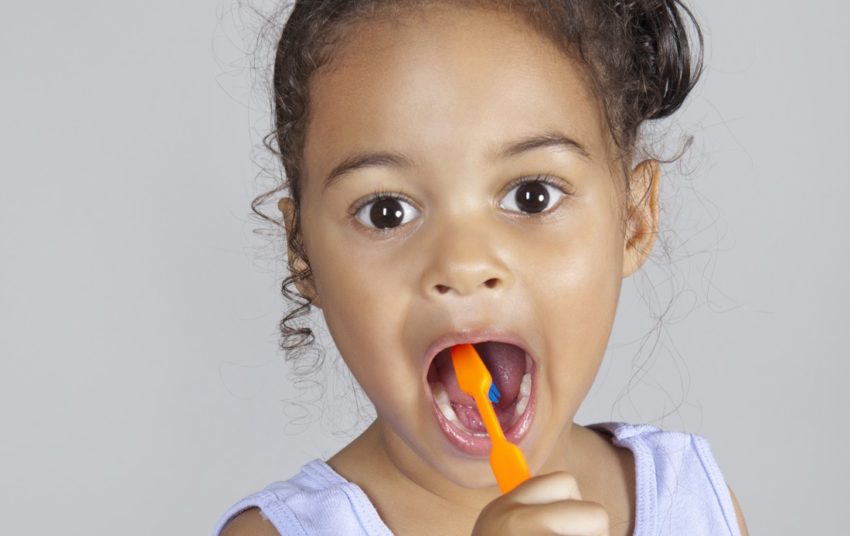
Salud Today Guest Blogger Jefferson Dental Clinics While summer break is most certainly a time to rest and adventure with family, disruption of regular routines and less daily supervision can have destructive effects on the dental health of children. “It is important for children to learn and recognize that dental health is a year-round practice, not simply a practice for when it’s convenient,” says Dr. Leslie Townsend, DDS., Regional Dental Director at Jefferson Dental Clinics. “Summertime is a great time for parents to reinforce daily brushing and flossing habits with their kids.” Keeping up with kids’ dental health during the summer is important for keeping kids healthy all year long. Families can use these tips for maintaining healthy dental habits ...
Public schools in Nevada serving families may soon be required to offer healthy breakfast to students who might not otherwise eat a morning meal. The bill, Senate Bill 503, would require free breakfast for all students in schools where 70 percent of students or more are eligible for free or reduced-price lunch. State officials say 103 elementary schools now serve breakfast, but the bill could add another 120 to the ...
In a new study published in the British Journal of Nutrition, a team of researchers led by the University of Surrey, has found that front of package nutrition labels can enable consumers to make healthier food choices. "Front of package food labeling is an important tool in helping consumers to make healthier choices and to encourage the industry to provide healthier foods," said Professor Monique Raats from the University of Surrey who led the research. Read more ...
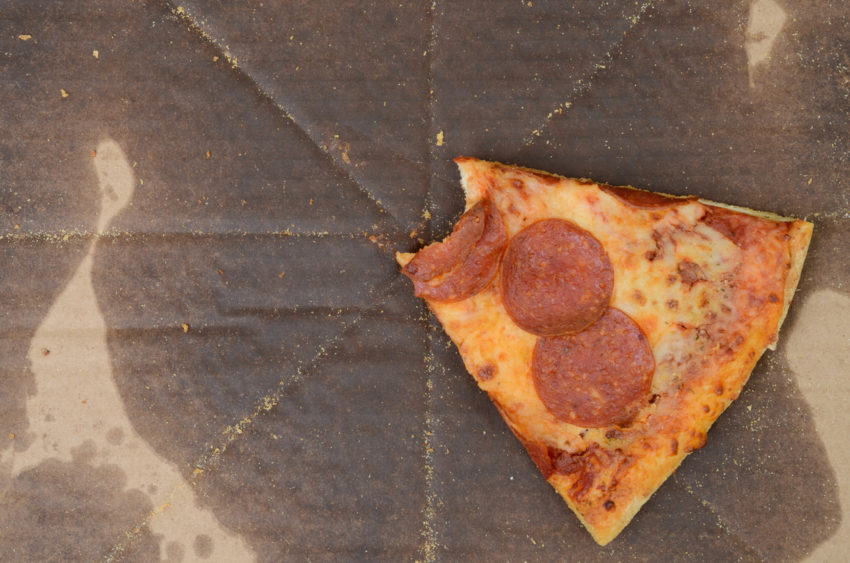
Do kids eat too much pizza? According to a recent study published in Pediatrics, pizza is the second-greatest source of caloric intake for youth ages of 2-19. Researchers also learned that on any given day 1 in 5 kids eat pizza and that when they do, they consume an additional 230 calories, 5 grams of fat, and 484 milligrams of sodium. When asked by reporters from ABC-7 what he thought about the study's findings, Daniel Cisneros a student from Canutillo High in El Paso, Texas responded: "I'm not surprised whatsoever. I think kids do eat too much pizza and they don't pay attention to much of the health facts that are involved with it." Reporters at ABC-7 also looked at what a typical school lunch menu looks like for local schools and found that on average pizza is served ...
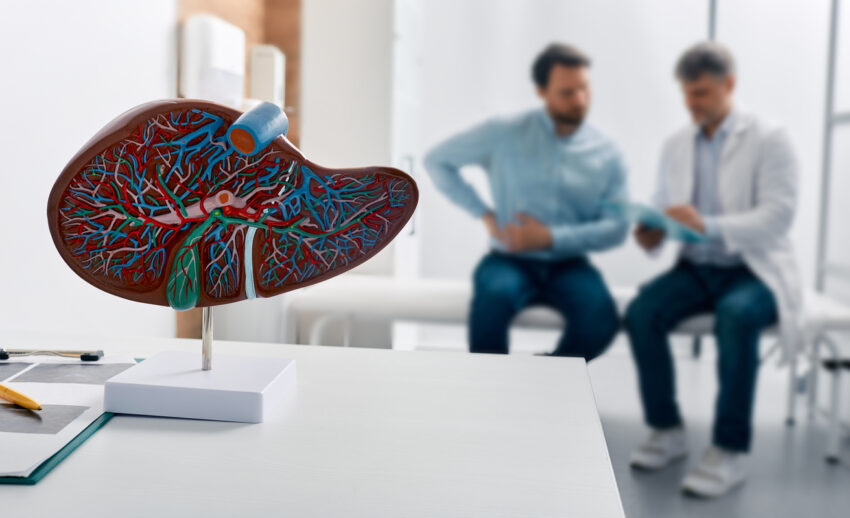
Hispanics are more likely to get alcoholic liver disease, and get it at younger ages, according to a new study, Inquisitr reports. The study, by the UC Davis Health System, conducted a retrospective chart review of more than 1,500 patients with alcoholic liver disease—a spectrum of diseases including alcoholic fatty liver, alcoholic hepatitis, and alcoholic cirrhosis that often result from long duration of high amounts of alcohol. Not everyone is affected by alcohol the same way. Even if the same amount of alcohol is consumed, the liver damage from alcohol in some people can be more severe than in others, suggesting that other factors, such as genes and environment, can influence the development of liver damage. In the study, more Hispanic people get alcoholic liver disease, ...
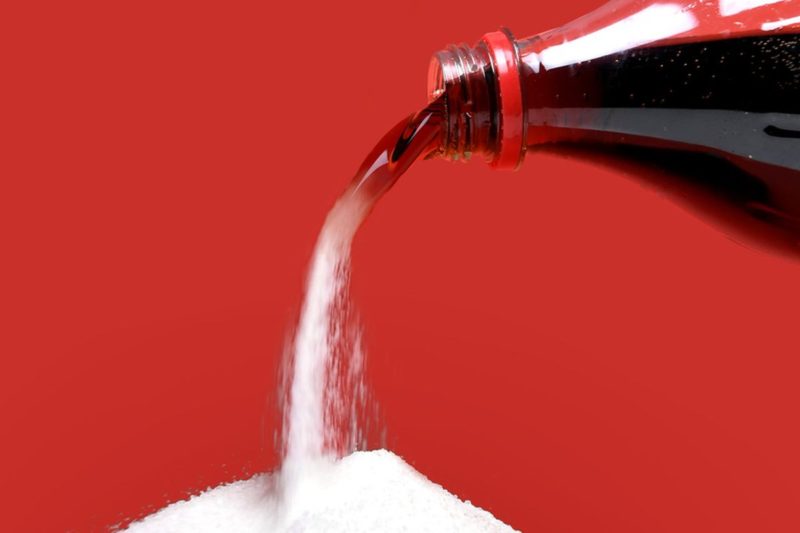
Which federal policies are most effective for reducing childhood obesity? According to a recent study published in the American Journal of Preventive Medicine, two of the top policies are: 1. a penny-per-ounce ($0.01/ounce) tax on sugar sweetened beverages (soda tax); and 2. 60 minutes of daily after school physical activity for children. Through a microsimulation analysis, researchers were able to project the long-term impact of three national policies, including the two named above, in addition to a policy that would ban fast food commercials on TV. While all three policies have the potential to reduce childhood obesity, the penny-per-ounce policy was deemed to have the highest impact. Not only would a soda tax reduce obesity by an estimated 2.4 percentage points ...