Across the country, COVID-19 cases are on the rise again, despite the vaccine being widely available. This due to the delta variant, a mutation of COVID-19 that is highly contagious. But what does the rise of the delta variant mean for Latinos, those who are vaccinated and those aren’t? Learn the important facts about the delta variant and how Latinos can stay safe.
What is the Delta Variant?
The delta variant is a highly contagious strain of COVID-19 that was first identified in India and has spread across the world. “The Delta variant is the fastest, fittest and most formidable version of the coronavirus that causes COVID-19 the world has encountered, and it is upending assumptions about the disease even as nations loosen restrictions and open their economies, ...
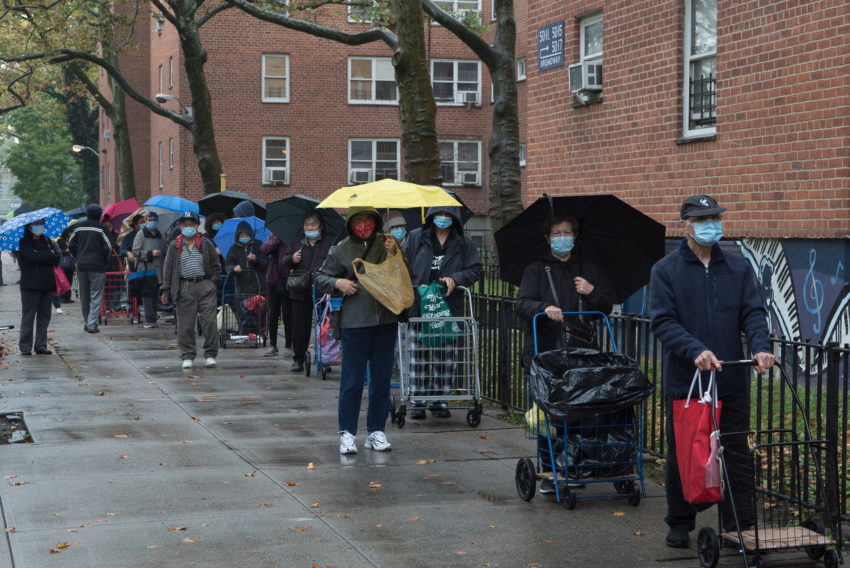
Poverty disproportionately impacts Latinos and other people of color. Child poverty rates are more than twice as high for U.S. Latino children (23.7%) than White children (8.9%), according to a Salud America! research review. Hardships stemming from poverty, like difficulty meeting basic needs for food, medicine, housing, and transportation, also lead to worse health and life outcomes. We know that poverty hurts poor neighborhoods and counties that are predominately non-white and low-income. However, did you know that even in the healthiest counties, children of color still experience poverty at often twice the rate of white children? “Nearly 1 in 10 children are living in poverty in the nation’s healthiest counties and children of color, particularly Black, Hispanic ...
Loss of physical activity can harm physical, emotional, and social health. Amid COVID-19 illness and isolation, some youth and families have experienced a loss of physical activity, according to a new report from Safe Routes Partnership, “One Step Forward, Two Steps Back: COVID-19’s Impact on Youth Physical Activity and Safe Routes to School.” The report explores research and expert perspectives on COVID-19’s impact on physical and emotional health to paint a holistic picture of how physical activity has changed during COVID-19. The report also has recommendations for supporting physical activity strategies and centering physical, emotional, and social health in equitable pandemic recovery plans. Our team at Salud America! was honored to contribute to this report ...
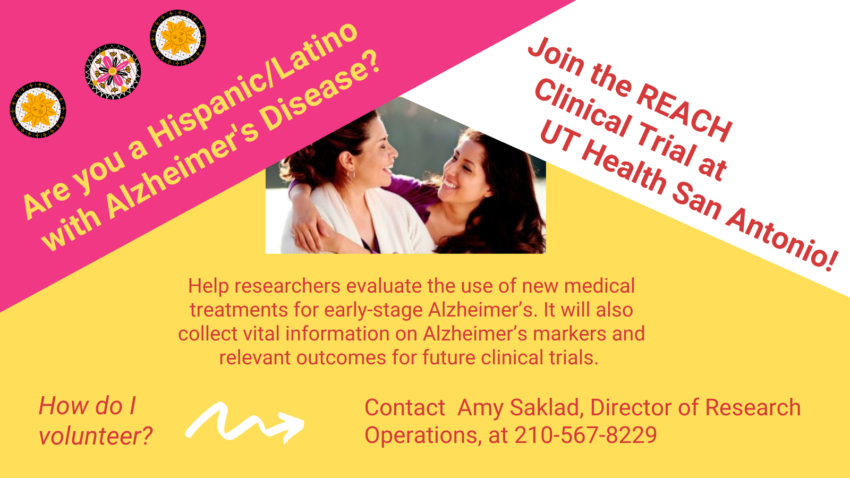
Alzheimer’s disease hurts the quality of life of many of our beloved abuelos and abuelas, their family members, and caregivers. Fortunately, clinical trials can help us fight back against Alzheimer’s. You or your loved ones can volunteer for the REACH Clinical Trial that aims to slow the effects of Alzheimer’s disease, led by the experts at the Glenn Biggs Institute for Alzheimer’s and Neurodegenerative Diseases at UT Health San Antonio. REACH Clinical Trial volunteers will be reimbursed up to $100 for each trial visit. “Our mission is to provide a compassionate and comprehensive network of clinical care for patients and their families with access to the most advanced treatment in clinical trials, as we continue to lead the search for a cure for Alzheimer’s and ...
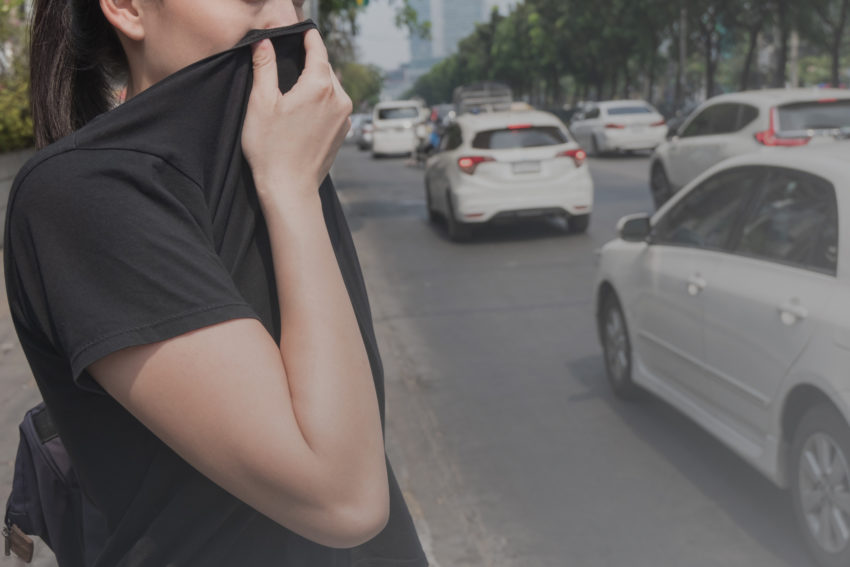
Latinos suffer from toxic pollution in the air at higher rates than their white peers, and it can lead to many harmful side effects. University of Colorado Boulder researchers just added another side effect to that list: Childhood obesity in those whose mothers were exposed to air pollution during pregnancy. Study authors say their findings reveal air pollution’s disproportionate impact on communities of color — the same communities that suffer a lack of access to healthy food and barriers to safe places for physical activity, which contribute to America’s obesity epidemic. “Higher rates of obesity among certain groups in our society are not simply a byproduct of personal choices like exercise and calories in, calories out. It’s more complicated than that,” said ...
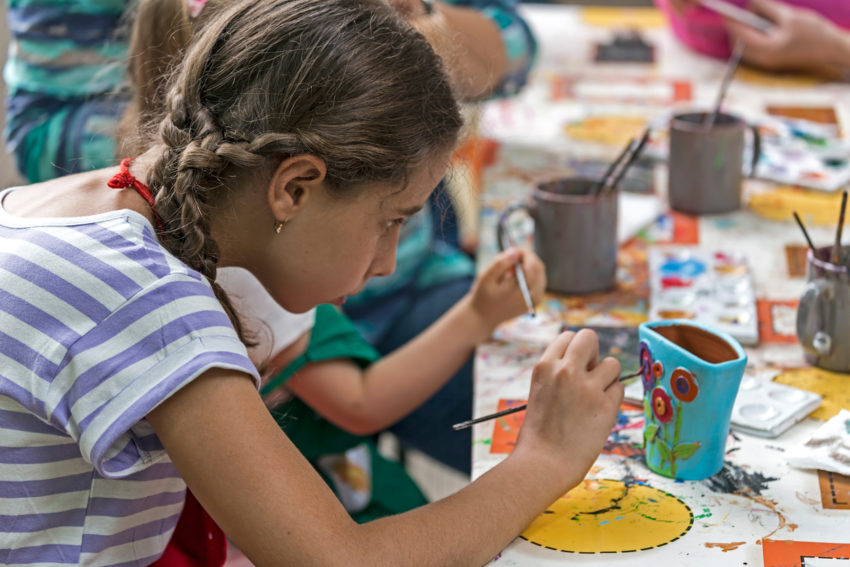
A new method is emerging to help children heal from trauma – art therapy. More mental health clinics, like the Children’s Bereavement Center of South Texas, are beginning to use art to help children with the healing process. Mental health professionals hope that art therapy can help children process adverse childhood experiences (ACEs), which is growing to be a public health crisis. “Art therapy helps one process emotions and feelings that one is struggling with, so that he or she can begin healing,” said art therapist Savita Jakhar Gandash, according to The Interview Portal. Read about what art therapy is and how Latino children can heal from ACEs and trauma.
What is Art Therapy?
Art therapy is a mental health service that utilizes creativity to help people resolve ...
Latinos are the nation's largest minority, making up 18.5% of the population. This dynamic population is also helping fuel the red-hot housing market, even amid COVID-19. "The number of Hispanic-homeowner households rose by more than 700,000 to nearly 9 million in 2020, according to Census Bureau data compiled by the National Association of Hispanic Real Estate Professionals, an industry group. Those gains marked the biggest one-year increase in data on Hispanic homeownership going back two decades," the Wall Street Journal reported in April 2021. Let's explore the this surge in the Latino housing market, challenges, and the future of housing.
What's Causing the Surge in the Latino Housing Market?
The Latino homeownership rate has "increased more during the past several years ...
Today, U.S. Surgeon General Dr. Vivek Murthy issued his first public advisory of the Biden Administration to warn Americans about health misinformation. Health misinformation is threatening U.S. response to COVID-19, preventing Americans from getting vaccinated, and prolonging the pandemic. Misinformation about COVID-19 and vaccines also often targets Latino and Black communities, which have been disproportionately affected by COVID-19 and have low rates of vaccine uptake. "Health misinformation is an urgent threat to public health. It can cause confusion, sow mistrust, and undermine public health efforts, including our ongoing work to end the COVID-19 pandemic," Murthy said in a press release about the advisory. "My job is to help people stay safe and healthy, and without ...
Millions of Americans rely on social programs, such as the Supplemental Nutrition Assistance Program (SNAP), to put food on their tables. These individuals, many of whom are Latino or other people of color, still face barriers in accessing nutritious food. In fact, a recent USDA study showed that nine in 10 SNAP recipients have difficulty purchasing healthy, nutritious food. Facts like these are fueling calls from experts and advocates for “nutrition security,” a new outlook on the kinds of food that are accessible for all families, according to Cassie Ramos, a policy associate at Center for Science in the Public Interest. “Lack of access to nutritious diets is a major challenge for people with low incomes in the United States,” Ramos writes in an Op-Ed in The Hill. ...