May is Healthy Vision Month! The National Eye Institute (NEI) has theme for Healthy Vision Month: "Eye on Health Equity." This is important because people of color, like Latinos, face barriers to eye health care. "NEI is putting a spotlight on the importance of increasing diversity in the eye health field — and how that can help everyone have an equal chance for healthy vision," according to the agency. Here are six ways to promote health equity and healthy vision.
1. Share Testimonials from Diverse Eye Health Professionals
NEI spoke with professionals about how increasing diversity and representation can improve eye health outcomes and promote health equity. Read their testimonials and share them with your network!
2. Meet the Organizations that Bring Healthy Vision ...
Many studies are uncovering an alarming link between COVID-19 and dementia. One study found that more than 80% of 509 hospitalized COVID-19 patients had "neurologic manifestations," according to Northwestern Medicine. The brain inflammation and mini-strokes observed in COVID-19 patients may increase their risk of developing Alzheimer’s disease and other dementia, another study found. Now a new study from the UK found that people diagnosed with COVID-19 in the previous six months were more likely to develop depression, dementia, psychosis and stroke. "The study confirms the researchers suspicions that a COVID-19 diagnosis is not just related to respiratory symptoms, it is also related to psychiatric and neurological problems", Prof Dame Til Wykes, at the Institute of ...
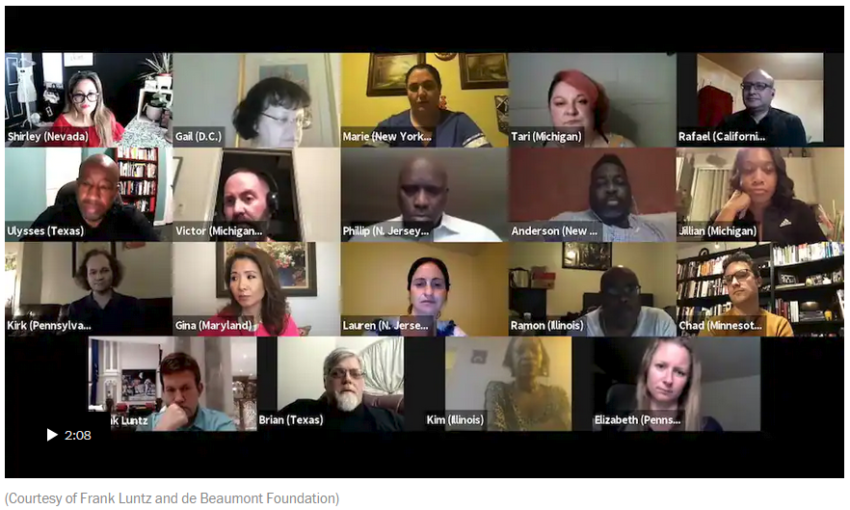
People decide to get a COVID-19 vaccine for a variety of reasons – to protect their families, to protect their health, and to help society return to normal. Some people are skeptical or hesitant to get the vaccine. Vaccine skepticism among Latinos is caused by a variety of sources, such as historical trauma from healthcare mistreatment and misinformation about vaccines that is circulated on social media. But many people are having a change of heart and deciding to get a vaccine. As a part of their ongoing research on attitudes about COVID-19, the de Beaumont Foundation, along with pollster Frank Luntz, conducted focus groups to hear from people who had changed their minds about getting a COVID-19 vaccine. Let’s hear why some of these people wanted a vaccine after ...
Latinos widely agree that the immigration system in the United States needs a large overhaul, according to a new survey by PEW Research. “A majority of Latino immigrants and those born in the U.S. share the view that the country’s immigration system needs fixing, and this sentiment extends across all ages and education levels,” according to researchers Jens Manuel Krogstad and Mark Hugo Lopez. While most Latinos agree changes are needed in immigration policy, priorities differ depending on political party and legal status. This survey of Latinos on immigration comes four months into the Biden presidency, which has promised to enact various changes that would help Latino immigrants. These include defunding the U.S. and Mexico border wall, ending family separation at the ...
Sodas, juices, and other sugary drinks contribute to obesity and other health issues. This is why many communities are passing sugary drink taxes. This kind of governmental action has proven to reduce consumption of sugary drinks, and create revenue for local health programs. Can a sugary drink tax work in your community? Use the new Sugary Drink Tax Calculator from the University of Connecticut’s Rudd Center for Food Policy and Obesity to estimate the potential national or state revenue from a volume-based excise tax on sugary drinks. “This new information will hopefully help policymakers determine how much revenue a tax could raise in their communities if they were to implement one,” Dr. Tatiana Andreyeva, the Director of Economic Initiatives at the Rudd Center, said ...
Lung cancer is the deadliest type of cancer. Latinos, even while they smoke fewer cigarettes and experience lower rates of lung cancer than their White peers, still suffer poor outcomes, too. This is due to issues with access to treatment, and other significant factors, according to a recent study published in JCO Global Oncology. “Hispanics tend to experience greater health disparities as a result of structural, sociodemographic, psychosocial, and cultural factors … one-third of US Hispanics had no health insurance and reported not having a consistent health care provider,” the researchers state. “In addition, there is an underrepresentation of Hispanics in lung cancer studies, resulting in a need to research and validate the findings seen in NHWs.”
What Is Lung ...
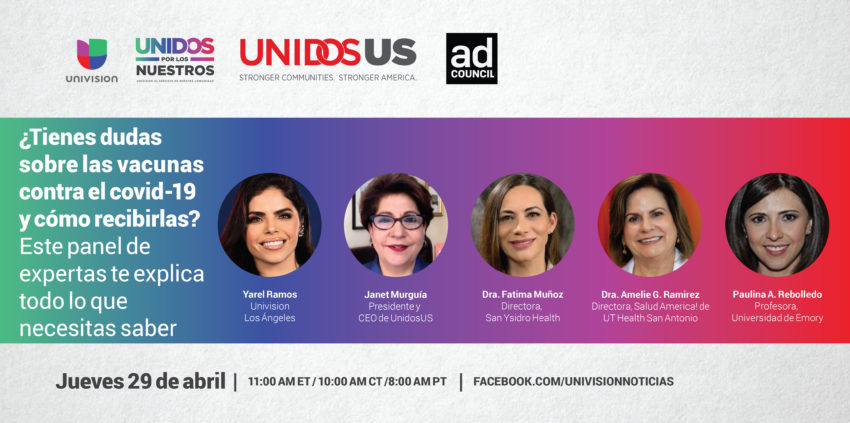
COVID-19 has a disparate impact on people of color. Latinos, for example, suffer higher case and death rates than their White peers. At the same time, Latinos are getting vaccinated for the COVID-19 vaccine at much lower rates, due to distrust and misinformation. This is the focus of Univision's Facebook Live event in Spanish, “¿Tienes dudas sobre las vacanuas contra el covid-19 y comom recibirlas?" The panel is set for 11 a.m. ET / 10 a.m. CT on Thursday, April 29, 2021. Update 4/29/21: In case you missed it, here is the video link. Panelists include: Yarel Ramos, Univision Los Angeles
Janet Murguia, UnidosUS
Dr. Amelie G. Ramirez, Director of the Salud America! program and its multi-level efforts to promote action and information about COVID-19 and Latinos, ...
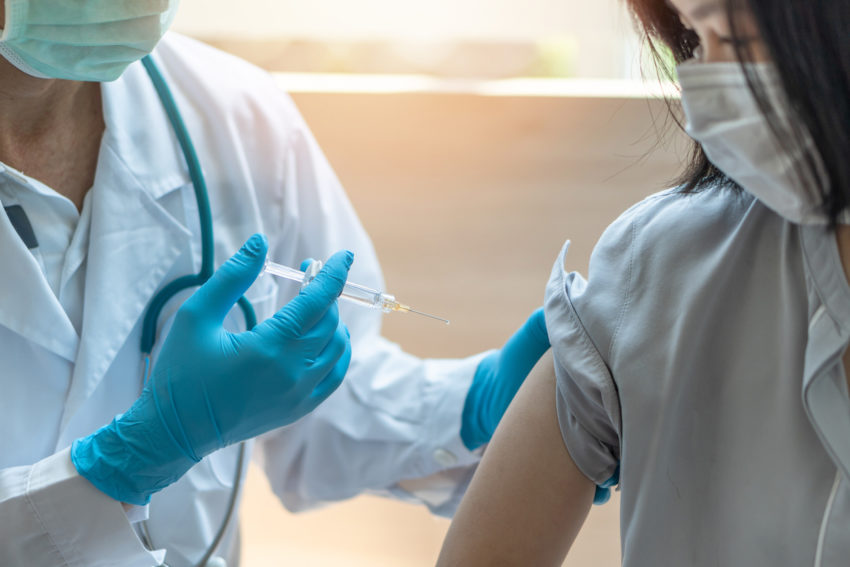
As the Pfizer-BioNTech, Moderna, and Johnson & Johnson COVID-19 vaccines continue to be distributed across the country, we’re getting closer to herd immunity and ending the pandemic. One obstacle on this path is vaccine skepticism. Vaccine skepticism is caused by a variety of sources, such as historical trauma from healthcare mistreatment and misinformation about vaccines that is circulated on social media. Misinformation about vaccines is especially dangerous as it will often target Latino and Black communities, which have been disproportionately affected by COVID-19 and are communities that most need the vaccine. Let’s go over the most common questions about COVID-19 vaccines, who is causing the spread of misinformation, and how to address it and build trust in ...
Millions of teens are hooked on vaping. In 2017, 1 of 10 U.S. high school students used e-cigarettes. In 2019, 1 of 3 U.S. high school students used e-cigarettes, according to CDC data. As the popularity of youth vaping and e-cigarettes has surged, so has the public's confusion over the health risks these products pose. The health risks are real. The U.S. Surgeon general called teen vaping a national health epidemic. The World Health Organization reports e-cigarettes are "not harmless" and "pose risks to users and non-users." Many groups are trying to get the word out. Several innovative campaigns, many of which are bilingual to help reach Latino audiences, are working to address health issues like youth use of e-cigarettes and vaping.
1. CDC: 'Protecting Young People from ...