Childhood obesity is one of the leading health concerns plaguing the Latino community. New research shows from several federal agencies show that obesity among toddlers from low-income families is declining. New research from several federal agencies, the American Academy of Pediatrics (AAP) reports. However, despite the decline, the prevalence of obesity for low-income toddlers is 14.5%. This number far exceeds the national average. “Continued initiatives to work with parents and other stakeholders to promote healthy pregnancies, breastfeeding, quality nutrition, and physical activity for young children in multiple settings are needed to ensure healthy child development,” according to the authors from the Centers for Disease Control and Prevention (CDC) and the U.S. Department ...
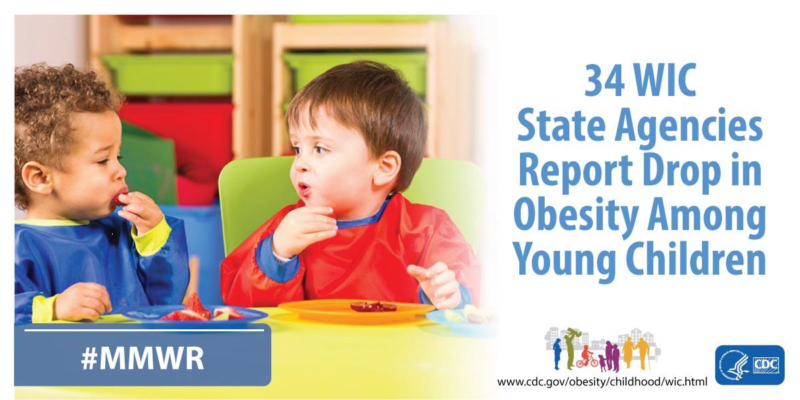
Thirty-four of 56 WIC State Agencies reported modest decreases in obesity among young children from 2010 to 2014; however, Hispanic children still had higher rates of obesity than their peers, according to the study published in the Morbidity and Mortality Weekly Report, The CDC worked in collaboration with the United States Department of Agriculture (USDA) to monitor obesity among toddlers aged 2-4 from low-income families using data from the Special Supplemental Nutrition Program for Woman, Infants, and Children (WIC) Participants and Characteristics. These decreases in obesity rates are likely due to obesity prevention efforts at the community, state, and national levels, such as the USDA redesign of WIC food packages to meet the special nutritional needs of low-income ...
Fútbol (soccer) is played by 250 million people in more than 200 countries. The sport has many benefits, including its simplicity for beginners and complex strategies for veteran players, aerobic physical activity that lowers body fat and builds endurance from shifts in walking, running and sprinting, and social and leadership skill development. BUT…many U.S. Latinos and others miss out on fútbol because soccer fields tend to be limited to middle-class suburban neighborhoods and pay-to-play soccer clubs, experts say. Here’s some ways to bring soccer closer to home:
Building Soccer Fields for All
Soccer enthusiasts Shawn Levy and Ricki Ruiz, dismayed by the lack of safe, affordable physical activity opportunities in their part of Oregon, led innovative campaigns to help ...
Bad news: Latino kids don't get enough physical activity. Good news: You can speak up now for active kids! Public comments are being sought for the second edition of the U.S. Physical Activity Guidelines for Americans, which sets vital activity recommendations for youth and adults. Add your public comment now! Not sure what to say? Use our sample comment:
Salud America! led a research review (http://www.communitycommons.org/groups/salud-america/big-bets/sa-active-spaces/) that found Latino children in underserved communities often have limited opportunities for physical activity. To be able to stay their healthiest, Latino children and their families need safe places to walk, roll, bike, swim, and play. Safe routes and shared or open use agreements are evidence-based ...
Stress is a leading cause for health concern for many Americans, including large numbers of Latinos. One of the greatest stressors plaguing Latino families has to do with finances. In an effort to alleviate financial issues, more and more people – including Latinos – are turning to payday loans, the Center for American Progress reports. According to the Pew Charitable Trust, nearly 12 million people each year turn to payday loans. These quick fix infusions of money regularly lead to the person receiving the loan going into hundreds, if not thousands, of dollars of additional debt furthering stress. According to the National Council of La Raza (NCLR), Latinos are more likely than the general population to use a payday loan. In order to reduce health disparities, it is ...
The human gut is a complex environment called a "microbiome." It is home to billions of bacteria and other microbes that help digest food. Research now shows that the gut might play a role in development of type 2 diabetes, which afflicts Latinos at a 66% higher rate than Whites. Researchers at the Albert Einstein College of Medicine have received a five-year, nearly $4 million grant from the National Institutes of Health to study if altering the gut microbiomes of Latinos can impact the treatment and prevention of diabetes, Yahoo! News reports. The human gut microbiome represents a promising target for dietary changes and treatments aimed at combating type 2 diabetes—particularly in the Latino Latino population that disproportionately develops the disease, said Dr. Robert ...
Food insecurity remains one of the country’s most troubling conditions that plague many Latino families. Feeding America has determined that Latinos are more than twice as likely to be food insecure as Whites. The U.S. Department of Agriculture (USDA) established the National Institute of Food and Agriculture (NIFA) to support food and nutrition assistance programs giving aid to low-income households. More than 20% of all Latinos are food insecure as compared to just 10% of all Americans and nearly 25% of all Latino children live in a food-insecure household. In 2014, of the 92 counties with a majority Latino/Hispanic population, 18% were among the top 10 of counties with the highest rates of childhood food insecurity. In order to reduce health disparities, it is critical to ...
U.S. Latinos are especially vulnerable to health threats posed by climate change because of where they live, work and lack access to health care, according to a new report. The report, led by the Natural Resources Defense Council (NRDC), is an English and Spanish review of dozens of U.S. studies and reports on the health and economic impacts that Latinos face as a result of climate change. Results include: A majority live in California, Texas, Florida and New York, states that are among the most affected by extreme heat, air pollution, and flooding.
Latinos are heavily represented in crop and livestock production and construction, where they’re at elevated risk from climate-change-boosted extreme heat. They are three times more likely to die on the job from excessive heat ...
In March 2016, President Barack Obama launched the Opportunity Project calling for technologists, local governments, and community groups to harness technology and innovation to expand access to opportunity for all Americans (17.6% Latino). The result? Non-profits, companies, and students built 29 new digital tools-during an 8-week software development sprint-using federal and local data to help communities access and navigate information to empower communities to solve problems in their everyday lives, such as affordable housing, quality schools, and jobs. Latinos often face social, environmental, and political barriers when accessing everyday opportunities, like healthy schools and safe places to walk and play. Equitable opportunity and easy-to-navigate information are ...